




What is the Average Cost of Professional Stage Machinery Systems?
There is always the question of how much to spend on professional stage machinery systems when someone wants to fix up a theater, make a meeting center better, or make a school building better. Setting up a professional rigging and lifting system can cost anywhere from $15,000 to $200,000, based on how hard it is, how much weight it can hold, and how it needs to be changed. If procurement managers know about these trends of costs, they can make choices that are good for the business and its budget.
Understanding Professional Stage Machinery Systems
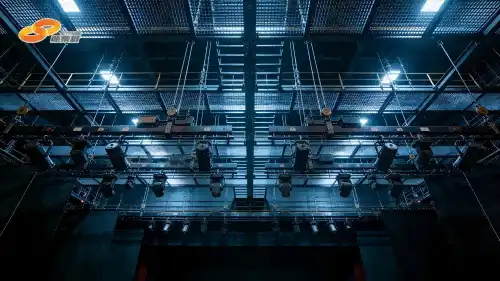
Professional stage equipment is what makes performances stand out and runs smoothly. The magic that people see is made possible by these systems, which connect smart electronics with precise mechanics.
Core Components That Drive Performance
There are many important parts that work together to make a theater. Electric hoists can move things that weigh between 400 kg and over 1,000 kg up and down. It's important for many parts to work well together, and control systems make sure they do. Parts of the rigging safely spread the weight across the frame of the venue. Some of the safety features that give workers peace of mind and make sure the rules are followed are overload protection, emergency stops, and rope tracking.
System Classifications and Applications
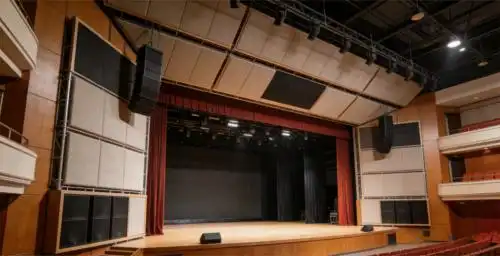
Answers vary based on where they are used. For schools and smaller performance areas, mechanical rigging systems are a good choice because they offer important lifting capabilities at prices that most people can afford. You can fine-tune the speed of electric winch systems like the ZB-WDJ series multi-layer winding suspension hoists to 0.5 meters per second, and they can lift things up to 15 meters in length. Opera houses and TV stations can set up complicated choreography and scene changes with fully automated platforms that are linked to building management systems.
Operational Principles Behind the Curtain
It's easier to see how valuable these methods are when you know how they work. Multi-layer wrapping technology packs wire rope into small containers that are easy to move up and down without taking up any space above. Smooth speeding up and slowing down is made possible by frequency conversion drives. This keeps the machine from making moves that could damage the scenery or put people in danger. Distributed control architectures let one person run or plan the movements of a group. This way, they can adapt to changing production needs as a place grows.
Factors Influencing the Average Cost of Stage Machinery Systems
Buying theater equipment includes a lot of different factors that have a big effect on how much the whole project costs. By taking these things into account early on in the planning process, you can avoid budget shocks and make accurate financial models.
System Complexity and Technology Level
For small jobs with few lifting spots, basic manual rigging usually costs around $15,000. Electric systems in the middle range can handle a modest amount of load and cost between $40,000 and $80,000. For full installations, advanced automation with synchronized multi-point lifting, built-in safety tracking, and network connectivity can cost more than $150,000. With 5.5-kilowatt motors that can handle 1,000-kilogram loads, the ZB-WDJ-1000 model is in the high-performance class and is used for demanding tasks.
Component Quality and Certification Standards
High-quality materials are used in CE and EN 17206-compliant stage equipment, and it goes through strict testing procedures. When manufacturers do 125% static load tests and 110% dynamic load tests, they provide proof of stability that lowers long-term risk. The diameter of the wire rope (which can be anywhere from 4.2 to 8 millimeters, based on the load) has a direct effect on how long it lasts and how often it needs to be replaced. Reducer models in the K67 to K87 series decide how smoothly operations run and how often they need to be serviced over many years of use.
Installation and Customization Requirements
Labor costs change a lot depending on how the venue is set up and what infrastructure is already there. Putting modern lifting equipment into old buildings needs specialized structural engineering and careful preservation considerations. Integrated design approaches help new building projects by making installation easier and less expensive. Custom solutions that deal with specific architectural limitations or performance needs usually add 20% to 40% to the base cost of the equipment, but they offer features that aren't available in standard setups.
Geographic and Supplier Considerations
By buying directly from well-known makers, you can avoid the markups that distributors add, which can cut costs by 15% to 25% compared to using multiple distribution channels. Suppliers who offer full warranties, easy access to spare parts, and expert support in multiple languages add value beyond the initial purchase price. When you buy something from another country, the delivery terms (FOB, CIF, or DAP) affect how much it costs and how much import tax you have to pay. Lead times of 15 to 30 days for normal models and 30 to 45 days for customized systems affect how projects are scheduled and how they are paid for.
Cost Breakdown: Average Prices and What to Expect
Establishing realistic budget expectations requires understanding typical investment levels across different system categories and venue types.
Entry-Level Systems for Educational and Small Venues
Basic electric hoist installations serving university theaters or community centers typically range from $25,000 to $50,000 for complete systems. The ZB-WDJ-400 model, handling 400-kilogram loads with 1.5 to 5.5-kilowatt motors, provides reliable performance for teaching environments and modest productions. These configurations include 4 to 6 hanging points, basic control panels, and essential safety features meeting current regulatory standards.
Mid-Range Solutions for Professional Applications
Convention centers and regional performing arts venues typically invest $60,000 to $120,000 in lifting equipment and control systems. Projects like the Yanbian Tourism Distribution Center, utilizing 51 hoisting units with integrated control architecture, demonstrate this investment level. These installations balance capability with cost-effectiveness, supporting diverse events from corporate presentations to touring productions.
Premium Automated Systems for Major Facilities
Large-scale opera houses, broadcast studios, and theme park attractions often allocate $150,000 to $250,000 or more for comprehensive stage automation. The Shanghai Sanchuan Film & Television Base project, incorporating 66 hoisting units plus specialized curtain equipment, exemplifies this category. Full steel structure grids, flame-retardant curtains, and sophisticated control systems create production environments matching international standards.
Purchase Versus Rental Economics
Long-term venue operations favor stage equipment ownership, with payback periods typically spanning 3 to 5 years of regular use. Rental options suit temporary installations and touring productions, with daily rates ranging from $200 to $800 depending on system capacity. Leasing arrangements with maintenance packages provide predictable monthly expenses while preserving capital for other investments.
Evaluating and Selecting the Right Stage Machinery within Your Budget
Smart procurement takes into account both short-term financial needs and long-term operating and safety needs.
Matching Technical Specifications to Venue Needs
To figure out load capacity, you must first make a full list of all the scenery, lights, and equipment that needs to be suspended. Safety factors of 5:1 or higher make sure that the system will work reliably even in the worst situations. The speed needed depends on how fast the production is going. Slower speeds work best for scene changes that happen slowly, while variable-frequency drives can handle both quick changes and exact positioning. Lifting stroke lengths take into account the height of the venue, the depth of the stage below, and the desired flying ranges.
Certification Verification and Supplier Assessment
Authentic brands give proof that they follow safety rules and testing procedures by showing proof documents. Site trips to factories show how they make things and how they check the quality of their products. Checking references with current clients who have used similar products can give you an idea of how reliable and responsive a supplier will be in the long run. Our production base at Jiangsu Zhongbang Intelligent Technology Co., Ltd. is open for client visits and technical talks at Sh Stage. This shows that we are committed to being open and honest.
Customization Benefits and Future Scalability
Standard equipment setups work well for many uses, but customized solutions are better for dealing with specific architectural issues and performance needs. Modular system designs allow for phased implementation, which lets you fit the timing of your investments to your budget while still keeping upgrade paths open. Control system architectures that can handle more units let venues grow without having to replace their current infrastructure. The ZB-WDJ series lets you change the load capacity, speed profiles, and hanging point arrangements so it can fit the needs of any place.
Real-World Performance Evidence
Application cases give real-world proof of what a machine can do. The Binhai College of Beijing Jiaotong University installation had 25 hoisting units and specialized control systems to help with a wide range of teaching activities. The 30-unit system at Zaozhuang Auditorium reliably handles government meetings and cultural events. These documented projects show that equipment that is properly defined can work for decades without any problems in a wide range of situations.
Maximizing Value: Cost-Saving Strategies and Maintenance Tips
Using strategies for buying and operating stage equipment over time will protect your initial investments and lower your total owning costs.
Energy Efficiency and Operational Economy
It costs less to run a system over its lifetime because modern variable-frequency drive technology cuts down on the amount of power it needs to work. When motors are the right size for the job, they don't waste power when they're not needed for heavy-duty work. When you handle a descent, regenerative braking systems collect energy. This makes them even more useful in places where loads move around a lot.
Preventive Maintenance Protocols
Once you plan an inspection, you can find wear patterns before they cause something to break. This keeps work from stopping and fixes things that cost a lot of money. When you look at wire rope, you can find broken strands or rust that needs to be fixed. Programs that lubricate parts keep things moving smoothly and make them last longer. Safety rules and manufacturer specs are still being followed by having trained technicians do full checks once a year.
Bulk Procurement and Partnership Advantages
Companies that have more than one site can negotiate combined purchases that lower the cost per unit by a lot if they promise to buy in bulk. When you've worked with the same suppliers for a long time, you can get expert help and spare parts more quickly. Longer warranty plans bought at the beginning of the buying process shift the risk and keep upkeep costs stable. Our direct factory prices and variable minimum order sizes at Sh Stage make it easy for projects that only happen in one place or programs that happen in more than one.
Common Issues and Prevention Strategies
Overloading parts causes them to break down early and poses safety risks. Workers who have been properly trained will know how to respect the system's limits. Lessers and wire rope systems break down more quickly if they aren't oiled properly. Because of things like dust, humidity, and high temperatures in the environment, the right equipment needs to be chosen when it is first bought. Our technical support team can help clients quickly fix problems 24 hours a day, seven days a week. This cuts down on downtime and makes tools last longer.
Conclusion
Professional stage machinery is a big expense that changes how venues work for years to come. Costs for systems that range from $15,000 for simple installations to $200,000 or more for full automation show how advanced the technology and safety engineering are in these systems. A good buying process strikes a balance between short-term budget needs and long-term operational needs, choosing equipment that meets current needs while also being able to grow in the future. Understanding the things that affect costs—like how complicated the system is, how well the parts are made, how much customization is needed, and what the provider can do—helps you make smart decisions. Strategic operational and repair practices protect these investments and make sure they work reliably for longer periods of time.
FAQ
What components are included in stage machinery system costs?
Complete project budgets encompass hoisting equipment, control systems, structural supports like steel grids, safety devices, wire rope, installation labor, commissioning services, and operator training. Additional expenses may include fire curtains, specialized rigging hardware, and integration with existing building systems. Comprehensive quotations detail these elements, preventing budget surprises during project execution.
How long do professional stage systems typically last?
Properly maintained equipment regularly serves 20 to 30 years or longer before requiring replacement. Wire rope needs replacement every 5 to 10 years depending on usage intensity. Electronic control systems may need updates after 10 to 15 years as technology advances. Regular inspections and preventive maintenance significantly extend operational lifespan while maintaining safety compliance.
Can systems be customized for unique venue requirements?
Manufacturers like Sh Stage specialize in tailored solutions addressing specific architectural constraints, load requirements, and performance needs. Customization encompasses load capacity scaling, speed profile adjustments, hanging point configurations, and control system integration. Engineering teams collaborate with clients from concept through commissioning, ensuring equipment matches both creative vision and practical requirements.
Partner with Sh Stage for Your Stage Machinery Solutions
Sh Stage has over 15 years of experience in the design and manufacture of professional stage automation and theater equipment. Backed by the manufacturing strength of Jiangsu Zhongbang Intelligent Technology Co., Ltd., we provide factory-direct solutions with reliable quality, competitive pricing, and comprehensive technical support for customers worldwide.
Our product portfolio includes multi-layer winding suspension hoists, stage lifting systems, rotating platforms, orchestra lifts, and intelligent control systems for theaters, concert halls, auditoriums, film studios, and multi-purpose venues. Engineered for safety, stability, and precision, our equipment is designed in compliance with CE and EN 17206 standards and undergoes strict quality inspection before delivery.
With extensive project experience, Sh Stage has successfully completed installations for educational institutions, cultural centers, television studios, and professional performance venues. From standard configurations to fully customized solutions, our engineering team works closely with customers to meet different technical and operational requirements.
We provide complete turnkey services including engineering consultation, customized design, manufacturing, installation, commissioning, operator training, and long-term maintenance support. Flexible production schedules and responsive after-sales service allow us to support both new construction projects and venue renovation programs efficiently.
Contact us for project inquiries and cooperation:
Website: www.shstage.com / www.jszbzn.com
Email: info@shstage.com
Tel / WhatsApp: +86 18068792502
As a trusted stage machinery manufacturer, Sh Stage delivers the engineering expertise, dependable quality, and responsive service your venue deserves.
References
1. National Theatre Technology Association. (2023). Stage Machinery Systems: Design and Safety Standards for Professional Venues. Chicago: NTTA Press.
2. Henderson, M. & Roberts, K. (2022). Theatrical Engineering: Modern Approaches to Stage Automation and Rigging. London: Performance Technology Publications.
3. International Association of Venue Managers. (2023). Cost Analysis and Procurement Guidelines for Stage Equipment Systems. Dallas: IAVM Research Division.
4. Chen, W. (2021). Mechanical Systems in Performing Arts Facilities: Engineering Principles and Applications. Singapore: Theatre Technology International.
5. European Standard EN 17206. (2020). Entertainment Technology - Machinery for Stages and Other Production Areas. Brussels: European Committee for Standardization.
6. American Society of Theatre Consultants. (2023). Stage Machinery Investment and Lifecycle Cost Analysis: A Guide for Facility Managers. New York: ASTC Publications.

USER EVALUATE
Here is the customer's evaluation of us