




Where Can I Buy Automated Stage Machinery Systems for Theaters?
If you want to buy automated stage machinery systems for theaters, the best place to do it is from certified makers who focus on rigging and lifting equipment for theaters. You can get complete solutions from reputable stage machinery providers, ranging from multi-layer winding hoists to full automation control systems. These suppliers also offer engineering support, safety certifications, and installation services. When you deal directly with manufacturers, you cut out the middlemen. This makes sure that you get the best prices on real goods that meet important safety standards in the U.S.
Understanding Automated Stage Machinery Systems
Accuracy, dependability, and safety are all things that modern theater productions need, and automated stage equipment always gives. Motorized parts and digital controls work together in these high-tech systems to make stage moves that are too complicated to be done by hand.
Core Components That Define Performance
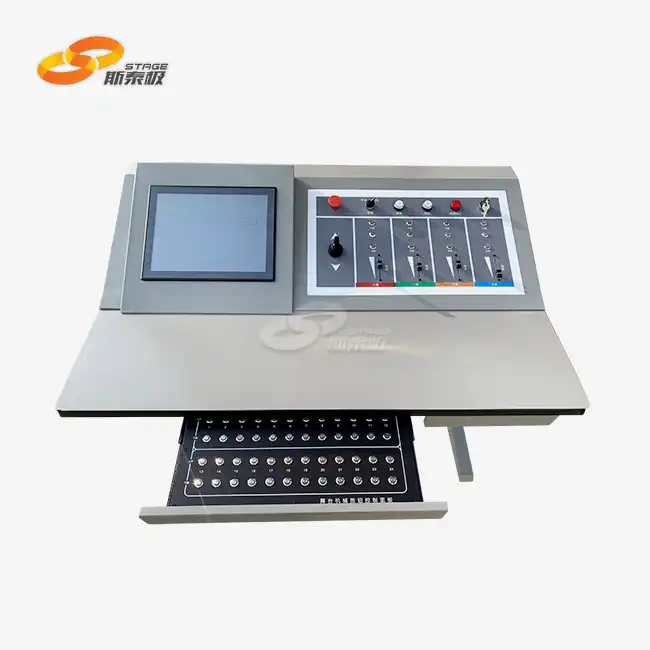
Automated stage systems have three main parts that work together: motorized drive units that provide lifting power; digital control interfaces that let operators program and carry out movements perfectly; and built-in safety features that keep people and equipment safe. The Stage Multi-Layer Winding Boom Lifting system from Sh Stage is a good example of this combination. It has spiral umbrella helical gears that make it easy to use with loads ranging from 400 kg to 1000 kg.
Types of Automation Systems Available
There are a lot of different technologies used in theater automation. Curtains, backdrops, and lighting grids that hang above the stage are controlled by motorized rigging systems. Automated lifts raise actors or set pieces through the stage floor to make dramatic entrances. Turntables can spin whole set pieces, which makes scene changes smooth. This is shown by our ZB-WDJ line, which has flexible hanging points (4-6) and speeds (0-0.5 m/s) that can be changed to meet different production needs.
Advantages Over Manual Alternatives
Automation changes the way theaters work in basic ways. Setting up complicated moves by hand only needs to be done once, so programming them cuts down on setup time and labor costs. Our systems have travel detection, rope loosening safeguards, overload protection, and emergency stops that get rid of the risk of human mistake. Places like the Shanghai Sanchuan Film & Television Base used 66 hoisting units to easily handle a wide range of shooting needs. This shows how automation can handle tight production schedules that would be too much for manual operations.
Key Factors to Consider When Buying Automated Stage Machinery
To choose the right theater automation, you need to look at more than just the price tag. Smart procurement takes into account both short-term wants and long-term operational issues.
Matching Capacity to Your Venue Requirements
The tools needs to fit the size and style of the theater. A community theater with 500 seats that puts on musicals needs a different lifting ability than an opera house with 2,000 seats that does complex set changes. With a 400-kg capacity and lifting paths of 10 to 15 meters, our ZB-WDJ-400 model is good for smaller venues. The ZB-WDJ-1000, on the other hand, can handle heavier loads for big shows. Find out how much each piece of scenery usually weighs, how high it can be lifted, and how many people need to be able to move at the same time before you choose tools.
Safety Compliance and Certification Standards
American venues have to follow OSHA safety rules and ANSI E1.4 guidelines for stage equipment entertainment rigging. For European operations, theater equipment must meet EN 17206 standards. Sh Stage goods are certified by CE and go through a lot of testing—trials with 125% static load and 110% dynamic load make sure the structure is solid before they are shipped. These certificates aren't just paperwork; they're proof of engineering that keeps your staff and audiences safe from disastrous failures.
Budget Planning Beyond Purchase Price
The total cost of ownership is much higher than the amount of the bill. Installation costs usually go up by 15 to 30 percent, but this depends on how complicated the place is. Ongoing costs include annual maintenance contracts, an inventory of replacement parts, and programs to teach operators. Our electric drive systems need less upkeep than hydraulic ones, which lowers long-term costs even though they might cost more up front. Shandong's Zaozhuang Auditorium project had 30 hoisting units and a full control system. This shows that combined solutions are more cost-effective than buying things separately.
Top Automated Stage Machinery Solutions on the Market
The global theatrical equipment business has a number of well-known brands, and each one brings a different set of skills to the table when it comes to automating venues.
Leading Manufacturers and Their Specializations
Stage Technologies was the first company to use computers to move sets for shows on Broadway and the West End. GH Staging Systems specializes in flexible platforms and portable staging for shows that go on the road. Tait specializes in making custom automation for events and shows in arenas. Kinesys created high-tech tracking systems to make sure that rigging safety is met. Sh Stage stands out by offering complete solutions that include lifting equipment, control systems, and structural support. For example, the Yanbian Tourism Distribution Center got a full steel grid with 51 hoisting units and lighting bridges in a total package.
Comparing Customization Versus Standard Products
Standard stock items can be delivered faster (15–30 days) and cost less, which is great if your needs are similar to those of other customers. Custom engineering is needed for venues with odd shapes, special effects for art, or to connect to existing infrastructure. Our engineering team made solutions just for Binhai College of Beijing Jiaotong University, including 25 raising units with screen frames and national flag lifting systems that fit the needs of their school. Check to see if the characteristics of off-the-shelf products really meet your business needs or if customization would save you a lot of money by avoiding costly compromises.
Service Networks and Long-Term Support
When equipment breaks down and shows have to be canceled, the reliability of the manufacturer is very important. Check out how long it takes for service to respond, whether spare parts are available, and how easy it is to get technical help. Our multilingual, 24x7 team takes care of problems right away, and our manufacturing integration makes sure that new parts get sent out quickly. The difference between a supplier who returns emails within days and one who offers immediate phone consultation can be the difference between a small problem and a huge loss of money.
Where and How to Purchase Automated Stage Machinery Systems?
To get things done, you need to know about the different ways to get suppliers and the pros and cons of each.
Direct Manufacturer Relationships
When you buy directly from manufacturers like Sh Stage, you avoid the markups that distributors add on top of the price of the goods and are sure to get genuine products and full expert support. We are the foreign trade department of Jiangsu Zhongbang Intelligent Technology Co., Ltd., and we are in charge of the whole production chain, from research and development to production and quality control. We can offer competitive prices without lowering the standard of our work because we buy materials in bulk and make production more efficient. We then pass these savings on to our clients. Direct ties also make it easier to talk about customization and work together on engineering projects that couldn't happen with middlemen.
Authorized Dealers and Installation Partners
Regional dealers can help with stage equipment things like permits, electrical connections, and building integration that makers can't handle from afar. Check to see if the dealer is approved by the manufacturer's website to avoid getting fake goods or changes that aren't authorized and void warranties. Installation contractors should show that they have the right experience—theatrical rigging is very different from building or industrial work, and it's important for them to know about the safety rules for entertainment.
Evaluating New Versus Used Equipment
Venues that want to save money sometimes look at used systems, which can save them a lot of money on standard parts like motors and control screens. Be careful with parts of structures, wire ropes, and safety systems that can become less reliable over time due to fatigue and wear. New equipment comes with warranties from the manufacturer, up-to-date safety features, and designs that use less energy and lower running costs. Our standard models ship within 15 to 30 days, which cuts down on the shipping time advantage that used equipment might have while still guaranteeing performance and compliance.
Ensuring Long-Term Value: Maintenance and Support Services
Equipment purchase represents only the beginning of your automation system's lifecycle. Sustained performance requires ongoing attention and professional support.
Preventive Maintenance Programs
Theatrical machinery operates in demanding conditions—dust, temperature fluctuations, and intermittent high loads stress components between performances. Scheduled inspections catch developing problems before they cause failures. Wire rope examinations detect fraying that could lead to catastrophic breaks. Lubrication prevents bearing wear. Control system diagnostics identify electronic degradation. We provide comprehensive maintenance protocols tailored to your equipment configuration and usage intensity, ensuring reliable operation throughout your performance season.
Warranty Coverage and Service Agreements
Standard warranties typically cover manufacturing defects for 12-24 months, but operational damage from misuse or inadequate maintenance may void coverage. Extended service agreements provide predictable budgeting and priority response, valuable for venues with tight performance schedules. Review warranty terms carefully—some manufacturers exclude wear items like brake pads or limit coverage to specific failure modes. Our warranty programs protect your investment while our global logistics network ensures rapid parts delivery when replacements become necessary.
Operator Training and Safety Certification
Sophisticated automation systems require skilled operators who understand both technical operation and safety protocols. Training programs familiarize staff with control interfaces, emergency procedures, and routine troubleshooting. Proper training reduces operator error accidents and extends equipment life by preventing misuse. We offer comprehensive training during installation commissioning and provide ongoing education resources. Venues that invest in operator competency experience fewer breakdowns, safer operations, and more creative technical possibilities as staff masters system capabilities.
Conclusion
Purchasing automated stage machinery requires careful consideration of technical specifications, safety compliance, budget constraints, and long-term support needs. Direct relationships with certified manufacturers provide the best combination of authentic products, competitive pricing, and comprehensive service. Whether you're equipping a new performing arts center or upgrading legacy manual systems, prioritize suppliers who demonstrate engineering expertise, maintain quality certifications, and offer responsive support networks. The right automation investment transforms theatrical capabilities while protecting personnel and audiences through decades of reliable operation.
FAQ
How do I know if automated stage systems suit my theater?
Venues presenting productions with frequent scene changes, complex lighting configurations, or multiple suspended elements benefit most from automation. Theaters staging three or more productions annually typically see rapid return on investment through reduced labor costs and expanded creative capabilities. Even smaller community theaters gain significant advantages when automation enables ambitious productions previously impossible with manual rigging.
What safety certifications should I verify before purchasing?
American venues require ANSI E1.4 compliance for entertainment rigging and adherence to OSHA workplace safety standards. Equipment should carry CE marking for European standard conformity and ideally meet EN 17206 specifications for theatrical machinery. Request documentation showing load testing results—reputable manufacturers conduct static and dynamic tests exceeding rated capacities. Verify that control systems include redundant safety features like emergency stops, overload protection, and position monitoring.
Can existing manual systems be upgraded to automation?
Many venues successfully retrofit automation into legacy rigging infrastructure, though feasibility depends on structural capacity and existing mounting points. Professional engineering assessment determines whether your venue's grid structure can support motorized equipment loads and if electrical service provides adequate power. Phased upgrades allow budget-conscious venues to automate priority systems first—perhaps installing automated main curtain and lighting battens while retaining manual operation for less-frequently-used linesets.
Ready to Transform Your Theater With Professional Stage Machinery?
Sh Stage has specialized in the design and manufacture of high-precision stage automation systems since 2009. As a direct manufacturer with integrated production through Jiangsu Zhongbang Intelligent Technology Co., Ltd., we provide end-to-end services from design and fabrication to installation and commissioning, ensuring cost-effective solutions with strict quality control and CE/EN 17206 compliance.
Our main products include lifting platforms, stage hoists, rotating stages, rigging systems, and customized stage machinery for theaters, cultural venues, and entertainment complexes.
We have completed projects across major cities including Beijing and Shanghai, demonstrating reliable performance in professional theater and performance environments.
We provide one-stop support including engineering design, customization, installation, training, and long-term technical service with factory-direct pricing.
Contact us for project inquiries and cooperation:
Website: www.shstage.com / www.jszbzn.com
Email: info@shstage.com
Tel / WhatsApp: +86 18068792502
As an experienced stage machinery manufacturer, Sh Stage delivers the technical expertise, dependable quality, and responsive support your venue deserves.
References
1. Campbell, Drew. Technical Theater for Nontechnical People. 3rd ed. Allworth Press, 2021.
2. Glerum, Jay O. Stage Rigging Handbook. 4th ed. Southern Illinois University Press, 2020.
3. International Alliance of Theatrical Stage Employees. Entertainment Technician Certification Program: Rigging Standards. IATSE, 2019.
4. Sammler, Ben and Kathleen Maloney-McClellan. Structural Design for the Stage. 2nd ed. Routledge, 2018.
5. United States Institute for Theatre Technology. Guidelines for Theatrical Rigging Systems. USITT Technical Production Commission, 2022.
6. Woodbridge, Patricia. Designer Drafting and Visualizing for the Entertainment World. 2nd ed. Focal Press, 2019.

USER EVALUATE
Here is the customer's evaluation of us