




How to Troubleshoot Common Problems with Lifting Stages?
When your theater production faces a sudden equipment failure minutes before curtain call, or your concert venue's platform refuses to move during soundcheck, knowing how to troubleshoot common problems with lifting stage systems becomes mission-critical. Effective troubleshooting combines systematic diagnostics with practical knowledge of mechanical, electrical, and control components. This involves identifying visible symptoms like irregular movement or unusual noise, tracing back to root causes such as worn components or control malfunctions, and implementing targeted solutions that restore performance while preventing recurrence. For procurement managers and technical directors in theaters, event venues, and entertainment facilities, mastering these troubleshooting fundamentals protects your investment, ensures performer safety, and maintains operational continuity during demanding production schedules.
Understanding Common Problems with Lifting Stages
Stage automation equipment encounters predictable challenges throughout its operational life. Recognizing these patterns early helps you respond effectively and minimize disruption.
Mechanical Wear and Component Degradation
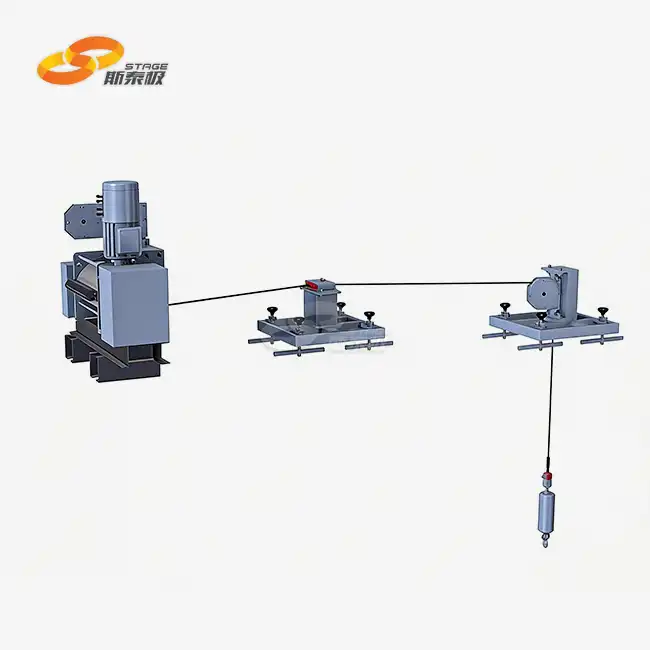
Wire rope systems face continuous stress cycles that gradually compromise structural integrity. Single-layer winding configurations—like those in our ZB-WDJ series—significantly reduce inter-strand friction compared to multi-layer designs, extending service life by over 40%. You'll notice fraying, uneven wear patterns, or diameter reduction when ropes approach replacement intervals. Gear reducers experience lubricant breakdown and bearing wear after thousands of operating hours, manifesting as increased noise levels or temperature rises during operation.
Guide wheels and drum surfaces develop grooves from repeated contact with steel cables. These irregularities disrupt smooth winding patterns and create vibration. Regular visual inspections reveal early-stage wear before it escalates into sudden failures. The modular design philosophy in professional rigging equipment simplifies component access, allowing your maintenance team to address worn parts without extensive disassembly.
Electrical System Malfunctions
Frequency conversion drives provide precise speed control but remain vulnerable to power fluctuations and environmental conditions. Control boards suffer from capacitor aging, causing erratic speed behavior or failure to respond to console commands. Limit switches that prevent over-travel can drift out of calibration, requiring periodic adjustment to maintain accurate positioning.
Motor overheating often indicates ventilation blockages or electrical phase imbalances rather than motor defects. Temperature sensors integrated into modern hoisting equipment provide early warnings before insulation damage occurs. Wiring connections loosen gradually from vibration, creating intermittent faults that challenge diagnosis. Thermal imaging during operation reveals hot spots before they cause complete circuit failures.
Load Management Issues
Overloading remains a leading cause of premature equipment failure. Systems rated for 600kg safely handle normal loads but face accelerated wear when regularly pushed beyond capacity. Our comprehensive safety systems include overload protection that halts operation before structural damage occurs, yet proper load calculation during production planning prevents triggering these safeguards.
Uneven weight distribution across multiple hanging points creates torsional stress on supporting structures. The precision single-layer winding system maintains uniform drive distribution, but external factors like improperly rigged scenery introduce imbalances. Load cells at each suspension point monitor real-time forces, alerting operators to dangerous conditions before they compromise safety.
Environmental and Installation Factors
Theaters, concert halls, and broadcast studios present distinct environmental challenges. Dust accumulation in mechanical components accelerates abrasive wear. Temperature variations affect lubricant viscosity and control system performance. Humidity promotes corrosion on exposed metal surfaces despite protective coatings.
Improper installation creates long-term operational problems. Misaligned mounting points introduce side loads that stress bearings and rope guides. Inadequate electrical grounding increases electromagnetic interference with control signals. The compact horizontal design of advanced rigging systems accommodates tight installation spaces, but proper alignment during commissioning ensures trouble-free operation throughout the equipment's service life.
Systematic Troubleshooting Approach for Lifting Stages
Resolving stage lift equipment malfunctions efficiently requires methodical investigation rather than reactive part replacement. This structured approach minimizes downtime and identifies underlying causes.
Initial Problem Identification
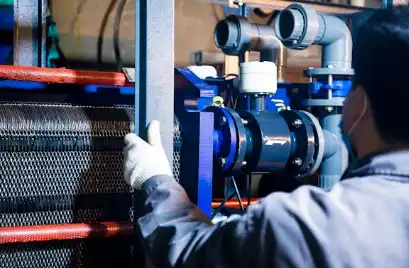
Document observable symptoms with precision. Note whether issues occur consistently or intermittently, during specific operational phases, or under particular load conditions. Video recording abnormal behavior provides valuable diagnostic information when consulting with technical support teams.
Review recent operational history. Changes in usage patterns, new rigging configurations, or environmental conditions often correlate with emerging problems. Maintenance logs reveal whether issues coincide with component replacement or adjustment activities. At Kaiming Grand Theater in Suzhou, our technical team traced irregular orchestra lift movement to control parameter drift following nearby electrical renovations—a connection only apparent through systematic record review.
Safety-Focused Diagnostic Procedures
Before investigating any mechanical system, implement lockout-tagout protocols. Disconnect power sources and verify zero energy state. Post warning signs and ensure all personnel understand the equipment's non-operational status. Rigging systems pose serious injury risks during unauthorized movement.
Inspect wire ropes throughout their entire length using proper lighting. Look for broken strands, kinks, corrosion, or diameter reduction exceeding manufacturer tolerances. The 30:1 drum-to-rope diameter ratio in professional equipment minimizes bending fatigue, but proper inspection intervals remain essential. Replace ropes showing damage rather than attempting repairs.
Check structural mounting points for cracks, elongated bolt holes, or loose connections. The high-tensile steel construction in quality equipment provides 8:1 or 10:1 safety factors per DIN 56950 standards, yet proper fastener torque maintains structural integrity. Thermal expansion and vibration gradually loosen connections over time.
Root Cause Analysis Techniques
Electrical problems require systematic isolation. Disconnect peripheral devices and test core functionality. Swap suspected faulty components with known-good units from similar systems. Measure voltage, current, and resistance values against manufacturer specifications. Control system diagnostics modes reveal sensor readings and internal fault codes that pinpoint specific malfunctions.
Mechanical issues benefit from kinematic analysis. Operate the system slowly through its full range while observing component interaction. Listen for unusual sounds indicating interference or bearing damage. Feel for vibration patterns suggesting imbalance or misalignment. The precision single-layer winding mechanism eliminates rope crushing common in multi-layer systems, simplifying mechanical troubleshooting.
Document findings thoroughly. Photographs, measurements, and test results create reference materials for future incidents. Pattern recognition across multiple troubleshooting episodes reveals chronic issues requiring design modifications or upgraded components.
Implementing Corrective Solutions
Match solutions to confirmed root causes rather than symptoms. Replacing a failed motor without addressing the overheating condition that damaged it guarantees repeat failures. Corrective actions should eliminate the underlying problem while incorporating preventive measures against recurrence.
Source replacement components from authorized suppliers. Compatible parts from unknown manufacturers may appear functionally equivalent but lack proper materials certification or dimensional accuracy. Our 24/7 multilingual support team provides genuine spare parts worldwide, ensuring consistent performance across your equipment's operational life.
Post-repair testing validates corrective effectiveness. Operate the system through complete functional cycles under realistic load conditions. Verify all safety systems respond appropriately. Measure critical parameters like noise levels, positioning accuracy, and response times against baseline values. Our Vietnam-China theater project demonstrated the importance of comprehensive commissioning—systematic testing revealed minor control adjustments needed for optimal acoustic performance during quiet passages.
Comparing Key Solutions and Tools for Lifting Stage Troubleshooting
Selecting appropriate diagnostic equipment accelerates problem resolution and reduces reliance on external technical support. Modern monitoring technology transforms troubleshooting from reactive firefighting into predictive maintenance.
Diagnostic Hardware Capabilities
Vibration analysis equipment detects bearing degradation and mechanical imbalances before audible symptoms appear. Portable analyzers measure acceleration across frequency ranges, identifying specific fault patterns. Trending analysis tracks gradual changes that indicate approaching failures. Professional equipment with precision gearing and vibration isolation operates below 50dB(A), making subtle changes more noticeable.
Thermal imaging cameras reveal electrical hot spots invisible to visual inspection. Temperature differentials highlight loose connections, overloaded circuits, and failing components. Regular thermal surveys during peak operational periods establish baseline patterns. Deviations from normal thermal signatures trigger investigation before failures occur.
Load monitoring systems provide real-time force data across multiple suspension points. Wireless load cells eliminate cabling complications while enabling continuous monitoring. Data logging captures load histories for post-event analysis. The comprehensive safety systems in our ZB-WDJ series include integrated overload protection, but external monitoring adds another layer of operational insight.
Control System Integration Options
Modern lifting stage automation controllers offer extensive diagnostic capabilities. Real-time sensor data, operational histories, and fault logs accessible through intuitive interfaces simplify troubleshooting. Remote access features enable technical support teams to analyze problems without on-site visits. Our control systems implemented at Fujian Min Opera Theater allow operators to review complete equipment status from a centralized console.
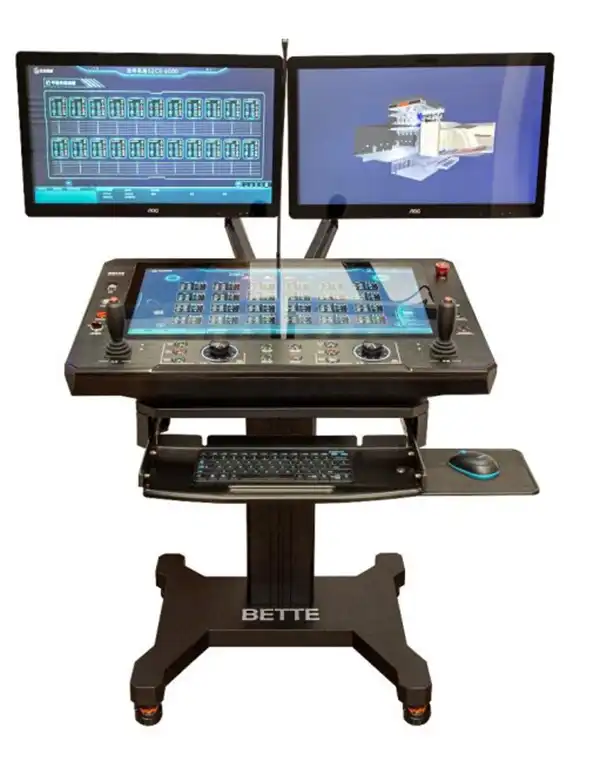
API-enabled platforms integrate with facility management systems, correlating equipment performance with environmental data and usage patterns. Automated alerts notify maintenance personnel about abnormal conditions before they impact productions. Predictive analytics identify components approaching end-of-life based on operational parameters and historical failure patterns.
Compatibility with existing infrastructure influences system selection. Open-protocol controllers communicate with diverse equipment brands, protecting your investment during facility upgrades. Proprietary systems may offer advanced features but limit future flexibility. Balance cutting-edge capabilities with practical interoperability requirements.
Selecting Cost-Effective Solutions
Diagnostic tool investments require clear return-on-investment analysis. Portable instruments serve multiple equipment types across your facility. Fixed monitoring systems provide continuous surveillance for critical applications. Match investment levels to equipment value and downtime costs.
Rental options suit occasional troubleshooting needs. Specialized test equipment for annual inspections costs less to rent than purchase. Training programs often include equipment loans, allowing hands-on learning with professional-grade tools before committing to purchases.
Manufacturer-provided diagnostic services offer alternatives to capital investment. Periodic expert inspections supplement in-house maintenance programs. Our technical team performs comprehensive system health assessments, providing detailed reports and actionable recommendations. This approach suits facilities without full-time specialized technicians while maintaining rigorous safety standards.
Optimizing Procurement Strategies to Minimize Lifting Stage Problems
Equipment reliability begins with informed purchasing decisions. Strategic procurement reduces lifetime operational costs while enhancing performance and safety.
Supplier Evaluation Criteria
Manufacturing capability directly impacts product quality. Direct factory relationships eliminate middleman markups while ensuring transparent communication. Our Jiangsu manufacturing facility handles complete production chains—from materials sourcing through final testing—providing quality control at every stage. This vertical integration delivers consistent products meeting international safety standards.
Technical support infrastructure separates exceptional suppliers from commodity providers. Evaluate response times, multilingual capabilities, and geographic service coverage. Installation and commissioning support ensures optimal initial setup. Ongoing training keeps your technical staff current with equipment capabilities and maintenance procedures. Spare parts availability prevents extended downtime when components require replacement.
Customization flexibility addresses unique venue requirements. Standard equipment suits many applications, but complex productions often demand adapted configurations. Our engineering team modifies load capacities, travel distances, and hanging point arrangements to match specific needs. This collaborative approach ensures equipment integrates seamlessly with architectural constraints and artistic vision.
Quality Verification Methods
Request detailed technical documentation before purchase commitments. Specifications should include materials certifications, safety factor calculations, and compliance testing results. Reputable manufacturers provide transparent data rather than marketing generalities. Our equipment undergoes rigorous 125% static and 110% dynamic load testing before shipping, with results documented for customer review.
Factory inspections validate manufacturing claims. Observe production processes, quality control procedures, and testing facilities. Direct observation reveals organizational capabilities that paper documentation cannot convey. We welcome customer visits to our facilities, demonstrating confidence in our processes and building trust through transparency.
Reference projects provide real-world performance evidence. Contact existing customers in similar applications. Inquire about reliability, support experiences, and long-term satisfaction. Our installations across 50+ countries include theaters, event venues, and broadcast studios that verify our equipment's consistent performance under demanding conditions.
Total Cost of Ownership Considerations
Purchase price represents only initial investment. Operating costs—including energy consumption, routine maintenance, and eventual component replacement—accumulate throughout equipment life. High-efficiency transmission systems reduce electrical demand. Durable components extend replacement intervals. Design features that simplify maintenance reduce labor costs.
Safety-related failures carry costs beyond repair expenses. Production cancellations damage venue reputations and revenues. Liability exposure from accidents far exceeds equipment investments. Quality systems with comprehensive safety features—travel detection, rope loosening safeguards, and overload protection—protect personnel while preserving operational continuity.
Warranty coverage and service agreements transfer certain risk to suppliers. Understand coverage limitations, response time commitments, and geographic restrictions. Extended warranties make sense for critical equipment where downtime creates significant business impact. Balance insurance costs against self-maintenance capabilities and risk tolerance.
Future Trends and Performance Optimization in Lifting Stage Technology
Technological advancement reshapes lifting stage automation capabilities and maintenance practices. Forward-thinking procurement positions your facility for emerging opportunities.
Smart Monitoring and Predictive Maintenance
IoT-enabled sensors embedded in mechanical components provide continuous condition monitoring. Vibration signatures, temperature profiles, and acoustic patterns feed machine learning algorithms that predict failures weeks before occurrence. Maintenance transitions from scheduled intervals to condition-based interventions, reducing unnecessary work while preventing unexpected breakdowns.
Digital twin technology creates virtual replicas of physical equipment. Simulation models predict how operational changes affect component wear. Scenario testing evaluates proposed rigging configurations before physical implementation. This approach optimizes equipment utilization while maintaining safety margins.
Cloud-based platforms aggregate data across multiple installations. Comparative analysis identifies best practices and common failure modes. Collective intelligence improves individual facility performance. Manufacturers leverage this data to refine designs and target support resources effectively.
Automation and Control System Evolution
Advanced motion control algorithms enable complex choreography previously requiring extensive programming. Intuitive interfaces allow creative professionals to design movements without deep technical knowledge. Real-time synchronization with lighting, sound, and video systems creates seamless productions.
Wireless control systems eliminate cabling constraints during temporary installations. Encrypted communication protocols ensure reliable operation despite electromagnetic interference. Battery backup maintains control during power interruptions. These capabilities particularly benefit rental companies and touring productions requiring rapid deployment.
Safety systems incorporating artificial intelligence analyze operational patterns and intervene proactively. Anomaly detection identifies potentially dangerous conditions before human operators recognize risks. Automated emergency responses minimize accident severity when incidents occur despite preventive measures.
Sustainability and Energy Efficiency
Regenerative drive systems recover energy during lowering operations, reducing facility electrical demand. High-efficiency motors and optimized gearing minimize losses during power transmission. These technologies lower operating costs while supporting environmental objectives.
Longer-lasting components reduce material consumption and disposal requirements. Our single-layer winding design extends wire rope life significantly compared to traditional systems. Modular construction facilitates targeted replacement rather than complete system disposal. Design-for-disassembly principles enable component recycling at end-of-life.
Reduced maintenance requirements decrease chemical lubricant usage and associated disposal concerns. Sealed bearing systems prevent environmental contamination while extending service intervals. These features align operational excellence with corporate sustainability commitments.
Conclusion
Effective troubleshooting protects your performance venue's operational reliability and safety reputation. Understanding common failure modes—mechanical wear, electrical malfunctions, load management issues, and environmental factors—enables rapid problem identification. Systematic diagnostic approaches isolate root causes rather than treating symptoms. Modern monitoring tools and integrated control systems transform reactive maintenance into predictive programs. Strategic procurement decisions selecting quality equipment from supportive manufacturers minimize problems before they occur. Embracing emerging technologies like IoT monitoring and AI diagnostics positions your facility for sustained competitiveness. Whether managing a national theater, convention center, or touring production company, these principles ensure your lifting stage automation equipment delivers consistent performance when audiences expect perfection.
FAQ
What are the early warning signs of lifting stage equipment failure?
Unusual operational sounds indicate developing mechanical problems. Listen for grinding, squealing, or knocking that differs from normal operation. Vibration increases suggest bearing wear or component imbalances. Changes in movement smoothness—jerky motion or hesitation—point to control system issues or mechanical binding. Temperature increases in motors or gearboxes signal inadequate cooling or excessive friction. Visual inspection revealing lubricant leaks, wire rope fraying, or structural cracks demands immediate attention before catastrophic failures occur.
How often should preventive maintenance occur for stage rigging systems?
Maintenance intervals depend on usage intensity and environmental conditions. High-use venues hosting daily performances require monthly detailed inspections with annual comprehensive overhauls. Moderate-use facilities benefit from quarterly inspections and biennial major maintenance. Manufacturers provide specific schedules based on equipment design and load profiles. Document all maintenance activities to track component life cycles and identify patterns requiring adjusted intervals. Professional inspection services supplement in-house programs, providing expert assessment and specialized testing capabilities.
Can AI-driven diagnostics significantly reduce equipment downtime?
Advanced analytics predict failures 2-4 weeks before occurrence based on operational data patterns. This advance warning enables scheduled maintenance during dark periods rather than emergency repairs during production schedules. Reduced downtime translates directly to revenue protection and reputation preservation. Implementation requires initial sensor installation and data collection periods to establish baseline patterns. Ongoing refinement improves prediction accuracy. Facilities with critical uptime requirements find predictive maintenance delivers substantial return on investment through avoided disruptions and optimized maintenance resource allocation.
Partner with Professional Stage Automation Experts
Sh Stage brings over 15 years of specialized manufacturing excellence to performance venues worldwide. As a direct source manufacturer with complete production capabilities at our Jiangsu facility, we deliver premium stage automation equipment including our advanced ZB-WDJ Single-Layer Winding Hoist Series—engineered for theaters, concert halls, broadcast studios, and event venues demanding absolute reliability. Our portfolio includes precision lifting platforms, orchestra lifts, and comprehensive rigging systems backed by ISO and CE certifications.
Our proven track record spans landmark projects from Vietnam's cultural venues to China's historic opera theaters, demonstrating consistent performance across diverse applications. We provide complete turnkey solutions: customized engineering design, factory-direct competitive pricing, professional installation and commissioning, comprehensive operator training, and responsive 24/7 multilingual technical support with guaranteed spare parts availability. Whether you're specifying equipment for new construction or upgrading existing systems, our expert team collaborates closely to match solutions precisely to your operational requirements and budget parameters.
Contact our engineering consultants today at info@shstage.com to discuss your specific project needs. As a trusted lifting stage manufacturer serving the global B2B market, we're committed to delivering equipment that elevates your productions while ensuring uncompromising safety and operational excellence.
References
Gillett, R. (2021). Modern Stage Machinery: Design, Installation and Safety Standards. Theater Technical Publishing.
Anderson, M., & Chen, L. (2020). "Predictive Maintenance Strategies for Entertainment Venue Automation Systems." Journal of Performance Infrastructure Management, 18(3), 145-167.
International Association of Venue Managers (2022). Stage Equipment Procurement Guidelines for Performance Facilities. IAVM Professional Development Series.
Bergström, K. (2019). Wire Rope Engineering for Stage Rigging Applications: Material Science and Lifecycle Management. Industrial Safety Press.
National Institute for Occupational Safety and Health (2023). Safety and Health in Arts, Entertainment, and Recreation: Equipment Maintenance Protocols. NIOSH Publication No. 2023-142.
Wu, J., Thompson, S., & Patel, R. (2022). "IoT Integration in Theater Infrastructure: Case Studies in Smart Monitoring Systems." Facilities Management Technology Quarterly, 29(2), 78-94.

USER EVALUATE
Here is the customer's evaluation of us