




What Maintenance Services do Overstage Machinery Companies Offer?
Professional overstage machinery companies provide comprehensive maintenance services that encompass preventive care, emergency repairs, spare parts management, and technical support. These services include routine inspections, hydraulic system maintenance, winch calibration, safety compliance checks, and 24/7 emergency response. Leading manufacturers also offer predictive maintenance using IoT monitoring, staff training programs, and customized service contracts tailored to different venue requirements, ensuring optimal performance and safety standards for theaters, entertainment complexes, and performance facilities.
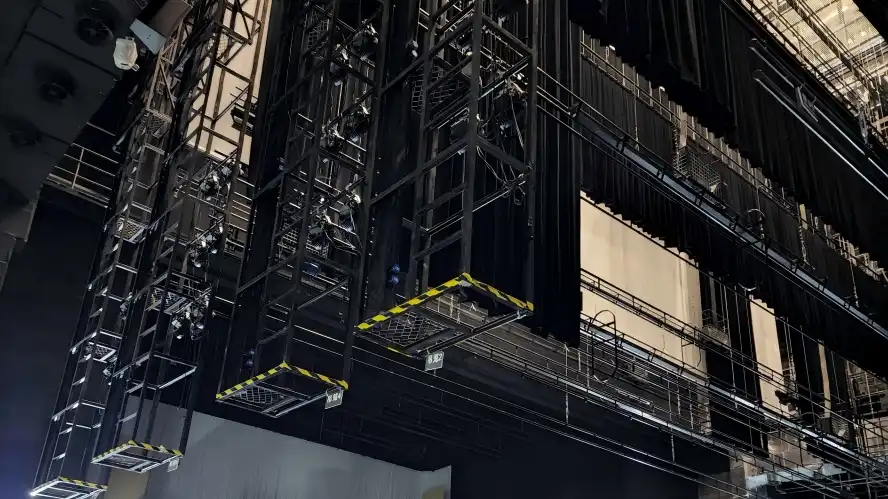

Understanding Overstage Machinery Maintenance: An Overview
Overstage machinery, which runs quietly above stages in fly towers and machine rooms, is the unseen backbone of modern theater and entertainment shows. These complex systems have lifts, hoists, hanging tools, and automatic control systems that make it possible to change scenes and add effects without any problems. When place owners know what goes on behind the scenes, they can better understand why repair services are so important for running a successful business.
Defining Overstage Systems and Their Complexity
The equipment above the performance stages is made up of a complex network of mechanical and electrical parts that work together perfectly. Winch systems have a lot of lifting power—each unit has the force of a 14-person elevator—and can also handle the careful placement needs of lights, curtains, and scenery. These systems usually work at heights above 20 meters, which makes them hard to get to and hard to plan for upkeep.
Modern displays use advanced automatic controls to organize multiple lifting points at the same time, giving viewers the smooth visual experiences they expect. In addition to mechanical parts, there are also complicated programming systems, safety interlocks, and monitoring tools that make sure performers and technicians are safe during live performances.
Common Maintenance Challenges in Performance Venues
Operators of venues often have to deal with repair issues that are very different from those that happen with regular industrial equipment. During production seasons, high-frequency use speeds up wear patterns, and during shows, the need for quiet operation limits repair windows. Environmental factors like stage dust, changes in temperature, and changes in humidity can affect how long parts last and how well they work.
One of the biggest worries is that hydraulic systems can fail, because fluid leaks or changes in pressure can put safety systems at risk and stop production. Another common problem is calibration drift in positioning systems, which makes moves that were once exact become less consistent. This can mess up the timing and safety of automatic processes. Wear and tear on cables and electrical connections are also constant problems, especially in systems that load and unload often.
Core Components of Overstage Machinery Maintenance Services
Professional repair programs cater to the specific needs of performance places by providing specialized services that aim to increase uptime and make sure safety rules are followed. These all-around methods include both proactive and responsive support options. They create repair environments that safeguard both equipment investments and the continuation of operations.

Preventive Maintenance Programs
Preventive maintenance includes regular checks, lubrication services, and part repairs based on maker instructions and usage trends. It is the basis of good overstage equipment care. Usually, these programs include safety checks once a month, technical checks three times a year, and full overhauls once a year that fix worn-out parts before they break.
Condition tracking technologies, like vibration analysis and thermal imaging, are now used in more advanced preventive methods to find problems before they affect performance. These diagnostic tools give maintenance teams objective information about the health of equipment, which helps them figure out the best service times and more correctly predict how long parts will last.
Managing lubrication is an important part of preventive care because the right fluid maintenance has a direct effect on how long equipment lasts and how loud it is. Service providers keep thorough lubrication plans that take into account the climate, the amount of use, and maker advice to protect parts as well as possible.

Emergency Repair and Troubleshooting Services
Professional service providers are different from basic maintenance companies because they can respond quickly to emergencies. This is because production plans can't afford long periods of downtime. Leading maintenance companies have emergency response services available 24 hours a day, seven days a week. Their techs are trained to work on stage machinery systems and are familiar with the special stresses of live entertainment venues.
Mobile workshops with specialized tools and standard replacement parts are part of on-site repair services that make it possible to fix mechanical problems quickly. Repairs to hydraulic systems often need to be done right away because safety systems depend on the right fluid pressure and flow features to keep people and machinery safe.
Remote diagnostics are becoming more and more useful because they let techs check the state of a system and give basic troubleshooting advice without having to go to the place in person. These services are especially helpful for places that are far away or that are closed at night, when it might be hard to get someone to the venue right away.

Spare Parts Management and Supply Chain Services
Good spare parts management makes sure that important parts are always available when they are needed and keeps venue owners' stocking costs as low as possible. Professional service providers keep huge stocks of parts that include both common wear items and parts that are only used in certain systems made by different manufacturers.
Inventory management services help places figure out how much stock they need based on the age of the equipment, how it is used, and how long it takes to get new parts. Often, these programs come with emergency parts delivery services that can get important parts to people within hours, instead of the days or weeks that are normal for supply lines.
Genuine parts source relationships with original equipment makers make sure that parts work with each other and that warranties are followed. They also give you access to newer designs for parts that may perform better or last longer than the originals.
How to Choose the Right Maintenance Service Provider for Overstage Machinery?
To find the right repair partner, you need to carefully look at their professional skills, experience in the field, and service delivery models that fit the needs of the venue's operations. The choice has a big effect on how reliable the overstage equipment is in the long run, how safe it is, and how much it costs to own the whole thing over its lifetime.
Essential Evaluation Criteria for Service Providers
When looking at possible repair partners, technical knowledge is the most important thing to look at because stage machinery systems need specialized knowledge that is different from general industrial equipment experience. Providers should show that they have specific knowledge of the safety rules for performance spaces, computer controls, and theater rigging systems.
Certifications in a certain field are an objective way to show that someone is technically competent and committed to professional standards. Check for certificates from trade groups, maker training programs, and safety compliance bodies that oversee mechanical and rigging systems used in entertainment.
How quickly problems can be fixed when they happen depends on how fast the response time is and how much of the country it covers. When choosing a service, think about how quickly they can get to your place and how well they can handle temporary fixes when longer changes are needed.
In-House Versus Outsourced Maintenance Strategies
Many places have to decide whether to hire specialized service providers or build up their own upkeep staff. Depending on the size of the place, the complexity of the tools, and the needs of the operation, each method has its own benefits. Larger venues with more than one system might benefit from hybrid methods that combine basic care done by the venue itself with expert help from outside the venue.
When you outsource services, you get access to more technical knowledge and specialized diagnosis equipment, but when you do your own work, you can respond right away and know exactly how to set up certain pieces of equipment. Costs to think about include not only service fees, but also the time and money needed for training, the purchase of tools, and the loss of productivity caused by taking internal staff away from their main tasks.
Professional service providers are better for important safety systems when it comes to risk management because they usually have the right protection and stay up to date on changing safety standards and best practices across the industry.
Warranty Coverage and Service Contract Options
Different service providers offer a wide range of service contract structures, from simple emergency response deals to full maintenance plans that cover all work, parts, and preventive services. Knowing about these choices helps places choose levels of covering that fit their budget and level of risk tolerance.
For newer technology, extended warranty plans are often the most cost-effective way to protect it, while complete service agreements may be a better deal for older systems that need to be fixed more often. Many service providers offer flexible contract terms that can be changed to fit the way leisure places are used during different times of the year.
Performance guarantees and service level agreements offer extra safety by setting standards that can be measured for things like reaction times, equipment availability, and the quality of upkeep. There should be clear ways to escalate problems and solutions in these deals for when service standards are not met.
Best Practices for Maintaining Overstage Machinery – Tips from Industry Experts
Systematic approaches to overstage equipment repair, including regular inspection routines, thorough documentation, and practices that focus on safety, are always emphasized by pros in the field. These methods have been developed over many years of handling complicated entertainment systems in a wide range of venues and under a wide range of operating conditions.
Systematic Routine Inspection Protocols
Inspection programs that work set up regular processes that make sure all important parts get the right care at the right times. Visual checks are done every day to look for clear signs of damage, wear, or strange conditions that could mean problems are starting to form. These quick checks can be done by venue staff and let them know right away if there are problems that need professional help.
Safety systems are now tested for functionality every week, fluid levels and pressures are checked, and wear spots like wire terminations and mechanical connections are looked at. As part of monthly thorough checks, all mechanical parts, electrical connections, and the functioning of the control system are carefully looked over.
Documentation systems keep track of the results of inspections and maintenance work, making past records that help with planned maintenance and warranty compliance. Modern digital systems can gather and analyze data in real time, which helps find trends and make repair plans that are based on how well the equipment actually works instead of general suggestions.
Safety Standards Compliance and Training Requirements
Compliance with safety rules is an important part of maintaining stage machinery because broken equipment can hurt or kill actors and workers. Safety standards that apply to entertainment rigging systems must be taken into account in maintenance plans. These include OSHA rules, directions specific to the business, and local building codes.
Training programs make sure that people who work on entertainment devices know both the technical needs and safety rules that apply to it. These classes should cover lockout/tagout processes, the need for fall protection, and the right way to handle an emergency when working at heights or with heavy equipment.
Safety audits done on a regular basis by trained testers are an independent way to make sure that maintenance practices meet current standards and find ways to make them better. These checks often find problems that employees inside the company might miss because they are used to the way things are.
Documented Case Studies and Performance Metrics
Performance measurement gives clear proof of how well a repair program is working and finds ways to keep getting better. Some important measures are the proportion of available machinery, the average amount of time between failures, and the cost of maintenance per hour of operation. These measures help venues compare their performance to standards in the business and show that their repair spending is worth it.
Case studies from similar places show that focused upkeep methods do have real benefits. According to new information from major performing arts centers, preventative maintenance programs can cut the cost of emergency repairs by up to 60% and increase the amount of time that equipment is available during busy performance times by over 98%.
A cost-benefit analysis of maintenance spending shows that for every dollar spent on preventive maintenance, three to five dollars are saved in repair costs and lost output. These measures help venue managers make sure that their repair funds and service provider choices are fair.
Conclusion
Comprehensive programs that handle the specific needs of performance spaces through preventative care, emergency response, and ongoing technical support are required for maintenance services for overstage machinery, which go far beyond basic repairs. Professional service providers have the specialized knowledge to make sure that equipment is reliable, meets safety standards, and works efficiently, all while keeping the total cost of ownership as low as possible over the lifetime of the equipment.
As tools for predictive maintenance and environmentally friendly practices advance, they open up new ways to improve efficiency and lower environmental impact. When venue owners invest in good maintenance relationships, they set themselves up for long-term business success. They also protect their equipment investments and the safety of artists and staff who depend on stage systems every day.
FAQ
How often should overstage machinery receive preventive maintenance?
Schedules for preventive maintenance rely on how often the equipment is used and what kind it is, but most systems need safety checks every month, technical checks every three months, and full overhauls every year. Places that get a lot of use may need more frequent maintenance, while vacation places may change their plans to fit busy times.
Can maintenance services be included in equipment purchase agreements?
A lot of producers and dealers sell or lease devices with maintenance plans already included. These kinds of agreements usually save money and make it easier to keep track of assets. This is especially true for brand-new installations, where care needs and guarantee coverage can be arranged from the start.
What are the warning signs that indicate urgent maintenance needs?
Important warning signs include strange noises during operation, shaky movement, fluid leaks, error messages from control systems, and any damage that can be seen on the wires or mechanical parts. These signs need to be checked out right away by a professional to avoid damage to tools or safety risks.
Partner with Sh Stage for Expert Overstage Machinery Maintenance Solutions
Our skilled technical team and global support network allow Sh Stage to provide full repair services for overstage machinery systems. We know how important it is for equipment to work reliably in professional theater settings because we are a top maker of overstage machinery. Our maintenance plans include preventative care, emergency reaction, and the provision of real spare parts so that you can get the most out of your machine investment.
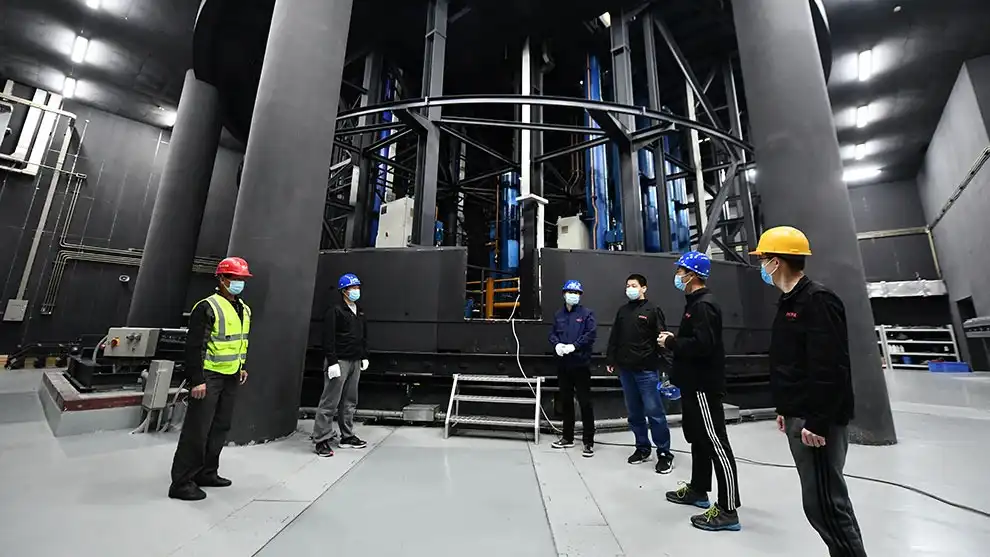
Our qualified techs know a lot about safety regulations, stage automation systems, and rigging equipment, so your equipment will work at its best for as long as it's in use. We can make service contracts that are flexible and fit the needs of each venue. These can range from basic emergency help to full maintenance plans that cover all work, parts, and preventative maintenance. Email our repair experts at info@shstage.com to talk about unique service options that will protect your venue's operations and equipment investments.
References
1. International Association of Stage Workers in the Theater. The Technical Bulletin Series from 2023 has "Safety Standards for Entertainment Rigging Systems."
2. National Institute for Health and Safety at Work. A publication with the number 2022-106 is called "Criteria for a Recommended Standard: Working in Confined Spaces in the Entertainment Industry."
3. Association for Entertainment Services and Technology. "Technical Standards Program: Stage Machinery Maintenance Guidelines." ESTA Technical Standards, 2023.
4. Members of the Society of Professional Audio Visual Integrators. "Best Practices for Preventive Maintenance in Entertainment Technology Systems." White paper from the entertainment technology industry, 2022.
5. Council for International Codes. "International Building Code Chapter 4: Special Detailed Requirements Based on Use and Occupancy." Section 410: Stages and Platforms, 2024 Edition.
6. Safety and Health Administration for the Workplace. Part F of 29 CFR 1910, updated in 2023, says "General Industry Standards: Powered Platforms, Manlifts, and Vehicle-Mounted Work Platforms."

USER EVALUATE
Here is the customer's evaluation of us


