




What is Stage Machinery in Drama?
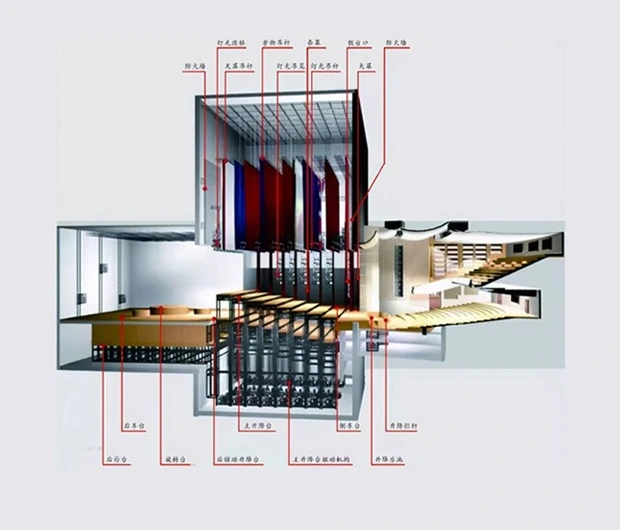
The complicated mechanical and automatic systems that move the sets, lights, and special effects during live theater shows are called stage machinery. These systems have safety features and pulleys, counterweights, powered hoists, control panels, and counterweights that make scene changes and dynamic stage effects possible. With the push of a button, modern stage machinery can completely change the layout of the stage, turning traditional theater into an immersive experience. It can do everything from simple curtain movements to complex rotating platforms and multi-level stage lifts that can surprise audiences and make stories more interesting.
Understanding Stage Machinery: Definition, Components, and Working Principles
Stage machinery is the most important part of modern theater production. It includes all the mechanical and automatic systems that make it easier to move, support, and control stage elements during live shows. These high-tech systems have changed the way directors and artists stage shows by making it possible to switch between scenes in ways that were either impossible or took a lot of work before.
Core Components of Stage Systems
The basic parts of theater gear are a number of linked systems that work together smoothly. The base is made up of mechanical parts like pulleys, counterweights, and wires, and advanced control systems make sure that everything works perfectly. Safety features like emergency stops, load tracking sensors, and backup systems protect the performer and team while the machine is running.
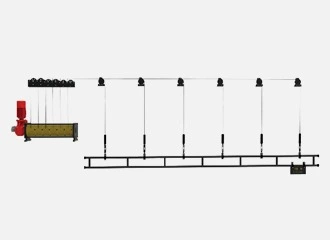
Control systems have come a long way. Now they have digital interfaces that let users create complicated sequences and coordinate many moving parts at the same time. Touch-screen controls, wireless operation, and the ability to connect to lighting and music systems for coordinated shows are common features of modern setups.
Working Principles and Operation Methods
Understanding operational principles helps procurement experts can make better choices about system compatibility and needs. In manual systems, counterweights work to keep loads balanced, which lets operators move big scenes with little effort. Electric and hydraulic systems offer higher levels of accuracy and automation, and fully automatic platforms can follow pre-programmed steps to the millimeter.
Chain hoists, wire rope systems, and hydraulic pistons are just a few of the drive devices that make these systems work. Each method has its own benefits that depend on the speed requirements, load requirements, and working environment factors that affect buying choices.
Types of Stage Machinery and Their Applications in Drama
Different performance spaces and types of productions have different needs when it comes to theater equipment. Knowing about these groups helps business-to-business clients find the right options for their unique budget and operational needs.
Overstage and Flying Systems
Fly towers that can be more than 20 meters tall are used to house over stage machinery, which works above the performance area. These systems have winch assemblies that can handle complicated rigging setups and have the power of 14-person lifts. On average, setups have about 50 fly bars, and each one needs its own winch system to work on its own.
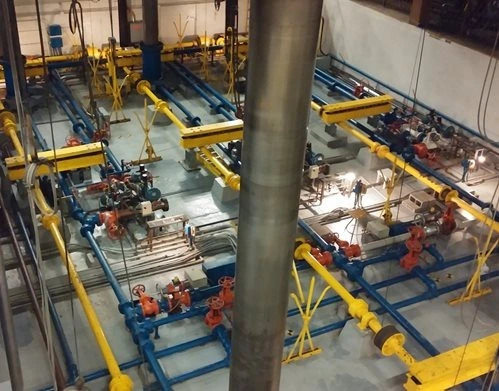
By moving things directly above the stage, flying devices make it possible to quickly change the scenery, the lighting, and the special effects. Modern installations have controls that let you change the speed, exact placement, and quiet operation so that the art stays true during shows.
Understage and Platform Systems
Understage machinery, like platforms, lifts, and moving parts set below the stage floor, makes staging more flexible. These systems can go three meters below stage level in theaters and up to eleven meters below stage level in opera houses. This gives a lot of room for storing props and setting up areas for performers.

Platform systems have rotating stages, scissor lifts, and secret doors that let actors enter unexpectedly, change scenes, and create effects with multiple levels of staging. When these systems are combined, the stage can be completely rearranged in three dimensions. This lets directors come up with new ideas and gives audiences better experiences.
Specialized Automation Solutions
Advanced automation systems are the most advanced technology in the theater world. They have customizable controls, work in sync, and can connect to other parts of the show. These systems are especially helpful for big spaces, traveling shows, and installations that need to be set up and taken down often.
Computer-controlled rigging, moving set pieces, and combined show control systems that coordinate lighting, sound, and movement effects are all examples of automation solutions. These technologies make complicated productions possible while lowering the need for human work and raising the safety standards for operations.
Safety, Maintenance, and Troubleshooting of Stage Machinery
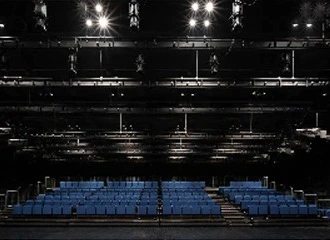
All choices regarding the purchase of stage equipment must be made with safety in mind, and the rules that must be followed change from country to country. By understanding these standards, B2B clients can make sure they are following the rules while reducing operating risks and liability issues.
International Safety Standards and Compliance
Many safety rules must be followed by modern theater installations. These rules include load testing standards, emergency stop systems, and operator training routines. European standards like EN 17206 and American instructions from ESTA make sure that installation and use are safe.
When making purchases, people should give more weight to sellers who offer certified tools with full documentation, training materials, and ongoing expert support. These relationships make sure that long-term compliance and operating dependability are maintained, and they also lower the risks of insurance and liability.
Preventive Maintenance Strategies
Maintenance programs that work well keep equipment in good shape and make sure it always works right and follows safety rules. Regular inspection plans usually include eye checks every day, operating tests every week, and full service by qualified experts once a year.
When buying something, maintenance issues are taken into account, because systems that need special tools or uncommon parts can be hard to run. Suppliers who offer full repair packages, easy access to extra parts, and local service networks are very helpful for ongoing operations.
Troubleshooting and Technical Support
Rapid fixing helps keep venue plans and show interruptions to a minimum. Control system problems, mechanical wear, and calibration drift are all common problems that can affect the accuracy of tracking and the safety of operations.
Having quick access to expert help is a very important factor in buying things, especially for places with busy performance schedules. Suppliers that give help 24 hours a day, seven days a week, remote diagnosis, and fast parts delivery make sure that there is little downtime during busy times.
Advancements and Trends in Stage Machinery Technology
The world of theater technology is changing quickly because people want more automation, energy economy, and connection options. These trends have a big effect on how entertainment places around the world buy things and plan their long-term investments.
Digital Integration and Smart Controls
Modern stage equipment increasingly incorporates the IoT, cloud-based tracking, and predictive maintenance features. These technologies make it possible to watch systems from afar, improve their performance, and plan preventative maintenance, all of which lower running costs and make systems more reliable.
Smart control systems have easy-to-use interfaces, the ability to connect to mobile devices, and automated safety tracking that makes operators more productive while still meeting strict safety standards. These features are especially helpful for places with multiple workers or equipment that needs to be reconfigured often.
Energy Efficiency and Sustainability
Innovations in motor economy, regenerative braking systems, and optimized control methods that use less power are all driven by concerns for the environment. Goals to use less energy are helped by using LED lights, variable frequency drives, and standby mode activities.
Sustainability features are appealing to places that care about the environment and lower running costs by using less energy and making equipment last longer. As places try to get LEED certification and lower their carbon footprint, these factors become more important in the buying choices they make.
Future-Proof Technology Investments
New technologies like AI, machine learning, and advanced tracking systems look like they will help automate even more tasks and make them safer. Virtual reality integration lets you control things from afar, and augmented reality helps with care and fixing problems.
When making investment plans, people should think about how to improve, how to keep software up to date, and how to make sure that hardware works with new standards. Progressive places get more value over time from suppliers who are committed to ongoing development and integrating new technologies.
How to Choose and Procure the Right Stage Machinery for Your Business?
Successful procurement requires careful evaluation of venue requirements, operational needs, and long-term strategic goals. This organized method makes sure that the best system is chosen, and it also increases the value of the investment and the efficiency of operations.
Requirements Assessment and Specification Development
The first step in the procurement process is to do a full needs assessment that includes figuring out the load requirements, speed requirements, location accuracy needs, and connection needs. Venue-specific factors, like available room, power infrastructure, and sound needs, have a big impact on system choice and installation plans.
Technical staff, artistic leaders, and buying professionals all work together to make sure that the specs meet both current needs and the potential for growth in the future. This all-around method keeps changes from being too expensive and makes sure that chosen systems will work well for a long time.
Vendor Evaluation and Selection Criteria
A good review of a vendor looks at their technical skills, financial security, service networks, and name in the industry. Key factors for evaluation include how reliable the product is, how customizable it is, how well it has training programs, and how well the guarantee covers the investment value.
The following factors are important for buying workers to think about when evaluating:
- Manufacturing capabilities and quality certifications ensuring consistent product quality and regulatory compliance across international markets
- Technical support infrastructure providing local service availability, spare parts inventory, and emergency response capabilities
- Customization and engineering services enabling tailored solutions that address unique venue requirements and operational constraints
- Training and documentation programs supporting safe operation and maintenance while reducing long-term operational costs
Implementation and Project Management
Coordinated project management is needed for a successful execution. This includes validating the design, planning the installation, following testing processes, and training staff. Experienced suppliers offer specialized project management help that makes sure the job is finished on time and on budget.
When planning an installation, you need to think about how the place works, the seasons, and the safety needs of the performers. Phased execution methods keep operations running as smoothly as possible while making sure that all system parts are thoroughly tested and put into service.
Conclusion
Stage machinery represents a critical investment for performance venues seeking to enhance artistic capabilities while maintaining operational efficiency and safety standards. The evolution from manual systems to sophisticated automated platforms demonstrates the industry's commitment to innovation and excellence. Modern procurement strategies must balance immediate operational needs with long-term technological trends, ensuring selected systems provide lasting value and competitive advantages. Successful implementation requires partnerships with experienced suppliers who understand both technical requirements and artistic visions, delivering solutions that enable memorable performances while maintaining rigorous safety and reliability standards.
FAQ
What are the main differences between manual and automated stage systems?
Manual systems rely on counterweight principles and operator skill, making them cost-effective for smaller venues with limited budgets and simpler production requirements. Automated systems offer precise computer control, programmable sequences, and integration capabilities that benefit larger venues with complex productions and frequent reconfigurations.
How often should stage machinery undergo maintenance inspections?
Maintenance plans usually include visual checks every day, operating checks every week, thorough checks every month, and full servicing by qualified experts once a year. Some installations may need to be inspected more often than others, and for places that host important performances, emergency repair should be available 24 hours a day, seven days a week.
Are energy-efficient stage machinery options available for environmentally conscious venues?
Motors, regenerative braking systems, variable frequency drives, and improved control methods that use a lot less power are becoming more common in modern setups. Most of the time, these tools help businesses save money on costs while also meeting environmental approval and sustainability goals.
Partner with Sh Stage for World-Class Stage Machinery Solutions
Sh Stage delivers comprehensive theatrical automation solutions designed to elevate performance capabilities while ensuring operational excellence and safety compliance. As a trusted stage machinery manufacturer with over a decade of industry expertise, we understand the unique challenges facing theaters, event venues, and entertainment facilities worldwide. Our engineering team collaborates closely with clients to develop customized systems that address specific operational requirements, budget constraints, and artistic visions.
Whether you need precision rigging systems, automated platform solutions, or complete venue automation packages, our experienced professionals provide end-to-end support from initial consultation through ongoing maintenance services. Contact our team at info@shstage.com to discuss your project requirements and discover how our innovative stage machinery solutions can transform your venue's capabilities and enhance audience experiences.
References
1. International Organization for Standardization. "Safety Requirements for Stage and Studio Equipment - Part 1: General Requirements." ISO 17206-1:2018.
2. Entertainment Services and Technology Association. "Technical Standards Program: Rigging and Structural Design Guidelines." ESTA Technical Standards, 2023.
3. Appleton, Ian. "Buildings for the Performing Arts: A Design and Development Guide." Oxford: Architectural Press, 2019.
4. Glerum, Jay O. "Stage Rigging Handbook, Third Edition." Carbondale: Southern Illinois University Press, 2007.
5. Reid, Francis. "The ABC of Stage Technology." London: Entertainment Technology Press, 2021.
6. Carter, Paul. "The Backstage Handbook: An Illustrated Almanac of Technical Information." Louisville: Broadway Press, 2020.

USER EVALUATE
Here is the customer's evaluation of us


