




What are the Key Features to Look for When Purchasing Overstage Machinery?
When buying overstage machinery for your venue, you should think about the load size, safety features, control accuracy, space efficiency, and customization options available. With the right tools, lifting curtains, lighting rigs, and other stage elements can be automated in a way that meets international safety standards. By knowing about these features, you can choose systems that give you more production options, lower operational risks, and give you long-term value through dependable performance and professional support from makers with a lot of experience.
Understanding Overstage Machinery: Core Concepts and Types
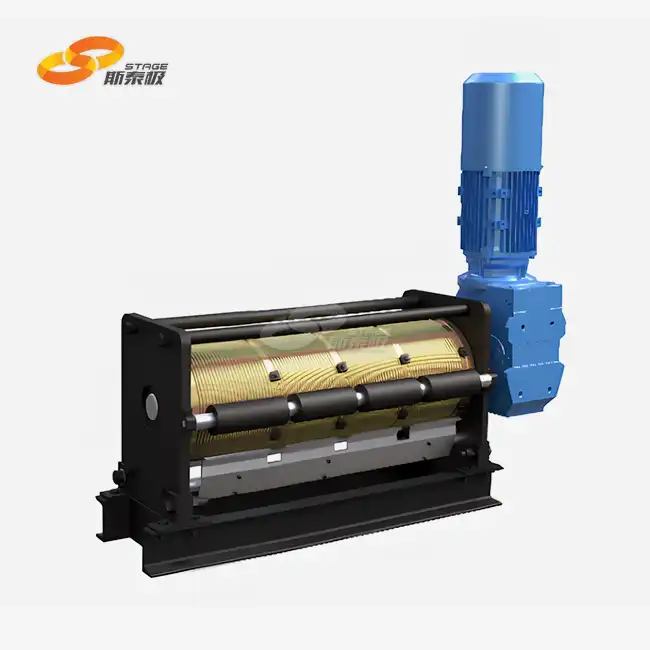
Overstage machinery includes all the technical parts that are above a stage. They are usually kept in machine rooms or attached to grid floors in the fly tower. These systems have control platforms, winches, hoists, lifting gear, and equipment that moves the fly bar and lifts scenery. In professional stages, this kind of equipment works over 20 meters high, and each winch has the lifting power of a 14-person elevator.
What Defines Overstage Equipment?
Theatrical rigging systems do important jobs that audiences can't see but are needed for dynamic shows. Through motorized systems that work together, the technology controls curtains, backdrops, lighting arrays, and sound elements. Modern installations use precision-engineered automation that reacts instantly to technical cues instead of the old-fashioned rope-based methods. When technical teams handle multiple fly bars at the same time through integrated platforms, scene changes happen faster and there are more creative options.
Distinguishing Above-Stage from Below-Stage Systems
Knowing the difference between overstage and understage equipment makes it easier to decide what to buy. Equipment above the stage moves platforms, revolving stages, and trap doors below the stage. Above-stage equipment lifts and flies scenery pieces vertically. Because they don't take up much floor room, overstage installations are perfect for venues with small backstage areas. Multi-layer winding systems have a small footprint that makes the most of the hanging places that are available without blocking sightlines or crowding technical galleries.
Types of Lifting Configurations Available
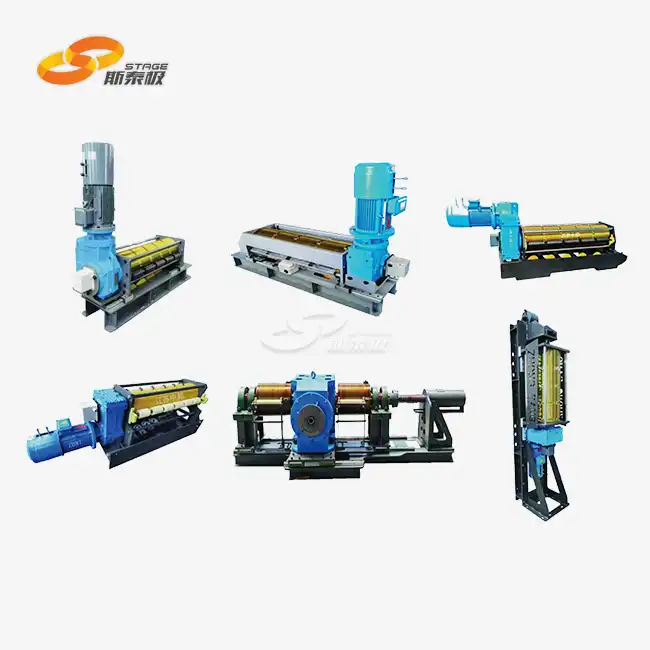
Based on the needs of the show, different venues need different ways of rigging. Single-purchase winches make it easy to lift light loads, while multi-layer winding systems store long ropes on small drums, which is important for opera houses where curtains move from the grid to the trap room all at once. Our Stage Multi-Layer Winding Boom Lifting (ZB-WDJ Series) types can handle loads ranging from 400 kg to 1000 kg, and their configurations can be changed to fit your needs. For smooth, quiet operation during live shows, these units have spiral umbrella helical gears built in.
Your operational budget and the level of difficulty of the performance will determine whether you choose an automated or manual configuration. Fully automated systems connect to central control platforms, which lets pre-programmed cue routines make sure that the same thing is always done. Some options are semi-automated, which can save money for schools and smaller venues where trained operators handle each lifting point during performances.
Critical Features to Evaluate When Purchasing Overstage Machinery
Evaluating overstage equipment performance specifications ensures your investment aligns with operational demands. Load capacity stands as the primary consideration—you must match equipment ratings to the heaviest combined weight of scenic elements, including safety margins. Speed regulation matters equally; adjustable lifting rates from 0-0.5 m/s accommodate both rapid scene changes and delicate positioning of sensitive equipment.
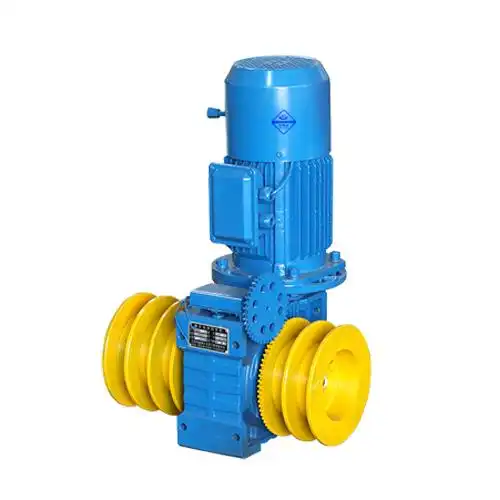
Before making your final equipment choices, you should think about how the technical details will affect day-to-day activities. Our ZB-WDJ line shows this useful balance by letting you change the frequency conversion speed. The ZB-WDJ-400 model can handle lighter loads with motor choices ranging from 1.5 to 5.5kW, while the ZB-WDJ-1000 model can handle heavier rigging with better power delivery. These requirements have a direct effect on how well your venue can run complicated shows.
Robust Design and Material Quality
Durable building affects how long equipment lasts and how much it costs to maintain. Precision-machined parts and frames made of high-strength steel don't wear down over time. Maintenance is easier with modular designs because technicians can change individual parts without taking whole assemblies apart. Look for makers that use strict testing methods. For example, our equipment goes through 110% dynamic testing and 125% static load testing to make sure it works reliably in tough situations.
Wire rope quality deserves particular attention. Diameter specifications from 4.2mm to 8mm accommodate different load requirements while maintaining appropriate safety factors. Premium ropes feature specialized coatings that resist corrosion and reduce friction, extending replacement intervals and lowering long-term costs.
Safety Compliance and Protection Mechanisms
Safety features are non-negotiable in professional rigging systems. Essential protections include travel limit detection that prevents over-travel incidents, rope loosening safeguards that halt operations when tension drops unexpectedly, and overload protection that stops movement when weight exceeds safe parameters. Emergency stop functions must provide immediate response across all connected systems.
Our multi-layer winding hoists integrate comprehensive safety architectures: travel detection systems monitor position continuously, top punching protection prevents grid structure impacts, and automatic braking engages during power failures. These redundant protections align with CE certification requirements and EN 17206 standards, providing assurance for venue operators and insurance compliance.
Control System Integration and Precision
Advanced control platforms transform individual lifting points into coordinated stage automation. Look for systems offering both independent operation and marshalling capabilities—where multiple hoists move synchronously to lift wide curtains or maintain level orientation of lighting trusses. Precision positioning within millimeters enables repeatable cue execution night after night.
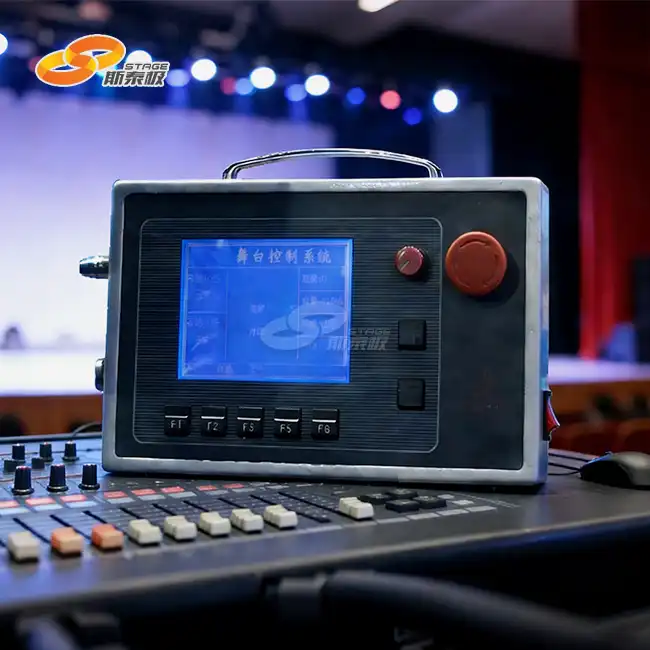
Intuitive overstage equipment interfaces reduce operator training time and minimize human error. Touchscreen controllers with visual feedback display real-time position data, load readings, and system status alerts. Integration with broader stage management systems allows lighting, audio, and rigging cues to synchronize seamlessly during complex productions.
Comparing Overstage Machinery Options: Making an Informed Decision
Evaluating potential suppliers requires investigating their manufacturing capabilities and industry reputation. Direct source manufacturers eliminate intermediary markups while maintaining quality control throughout production. Sh Stage operates through Jiangsu Zhongbang Intelligent Technology Co., Ltd., our dedicated manufacturing base where engineering teams oversee R&D and production processes. This vertical integration ensures consistent quality and enables customization without extended lead times.
Assessing Manufacturer Credentials and Track Record
Supplier reliability impacts your project timeline and long-term equipment performance. Review certifications demonstrating compliance with international safety standards—ISO quality management systems and CE marking verify that manufacturers follow recognized production protocols. Customer testimonials and completed projects provide evidence of real-world performance. Our installations span educational institutions like Shanghai Longyan Road Middle School (40 hoist sets with integrated control) and prestigious venues such as the National Academy of Chinese Theatre Arts (24 professional hoists with specialized curtain systems).
Cost Considerations and Financial Planning
Budget planning extends beyond initial purchase prices. Compare total ownership costs including installation, training, maintenance contracts, and spare parts availability. New equipment offers latest technology with full warranty coverage, while refurbished options might suit budget-conscious projects if backed by reputable service agreements.
Flexible procurement terms support various financial strategies. Minimum order quantities that accommodate both trial installations and bulk orders help you scale investments appropriately. Direct factory pricing from manufacturers like Sh Stage eliminates distributor margins, with transparent quotations that itemize equipment, shipping, and commissioning costs under FOB, CIF, or DAP terms.
Customization Capabilities and Future Scalability
Standardized equipment rarely fits every venue perfectly. Manufacturers offering ODM/OEM services adapt designs to your specific space constraints, load requirements, and performance needs. Our engineering team collaborates on tailored solutions—adjusting stroke lengths beyond standard 10-15m ranges, modifying hanging point configurations from 4-6 positions, or integrating specialized control interfaces that match existing infrastructure.
Scalability ensures your investment accommodates future expansion. Modular systems accept additional lifting points without replacing core infrastructure. Open-protocol control platforms integrate with upgraded automation technologies as your venue's technical capabilities evolve. Planning for growth during initial procurement prevents costly replacements when production demands increase.
Ensuring Safety and Longevity in Overstage Machinery Use
Safety protocols protect personnel and equipment while maintaining operational readiness. Comprehensive training programs ensure technical staff understand proper operating procedures, recognize hazard conditions, and respond correctly during emergencies. Certification programs validate operator competency and satisfy insurance requirements.
Operator Protection and Training Protocols
Technical teams need hands-on instruction covering routine overstage equipment operations and troubleshooting procedures. Training should address load calculation methods, inspection protocols, and emergency response procedures. Regular refresher sessions keep skills current as staff turnover occurs. Our 24/7 multilingual support team provides ongoing technical consultation, helping operators resolve issues quickly and maintain production schedules.
Maintenance Best Practices and Preventive Care
Unexpected failures that slow down performances can be avoided with regular checks. Every day before operation, the limit switch, the emergency stop, and the state of the visible rope are checked to make sure they work. As part of the monthly repair, moving parts are oiled, brake adjustments are checked, and the integrity of electrical connections is checked. Qualified techs do full inspections once a year to look at the internal mechanisms, test the safety systems' ability to handle weight, and update the control software.
Written maintenance plans help with warranty claims and hold people accountable. Keeping detailed service logs can help you find trends of wear and figure out when to replace things. Building partnerships with companies that offer original replacement parts and remote diagnostics support, like our all-in-one service package, cuts down on downtime when fixes are needed.
Preventive maintenance makes tools last a lot longer. Replacing wire rope before it starts to fray can stop catastrophic fails. Lubricating bearings lowers friction, which speeds up wear. Arc faults that damage control systems can be avoided by checking electrical connections. These preventative steps protect your venue's image and cost less than repairs that need to be done quickly.
Streamlining the Procurement Process: From Inquiry to Installation
Efficient purchasing begins with thorough supplier research. Request detailed technical specifications, compliance certifications, and reference projects similar to your venue type. Credible manufacturers provide transparent documentation including engineering drawings, load calculations, and installation requirements. Our inquiry process starts with consultation to understand your venue dimensions, performance needs, and budget parameters—enabling accurate quotations that prevent scope creep during project execution.
Evaluation and Supplier Selection
Arrange equipment demonstrations or factory visits when possible. Seeing machinery operate under load conditions reveals build quality and operational characteristics that specifications alone don't convey. Trial opportunities or pilot installations help verify equipment suitability before committing to full-scale orders.
Compare quotations comprehensively rather than focusing solely on unit prices. Evaluate included services such as installation supervision, commissioning assistance, and operator training. Warranty terms vary significantly between suppliers—longer coverage periods and responsive claim processes protect your investment better than minimal guarantees.
Logistics and Installation Planning
Professional installation ensures optimal performance from day one. Coordinate delivery timing with your venue's construction schedule, allowing adequate rigging periods before performance dates. Our standard lead times run 15-30 days for catalog models and 30-45 days for customized configurations, with reliable logistics partners managing international shipping under your preferred terms.
On-site commissioning by factory technicians verifies proper installation and calibrates control systems to your venue's specific requirements. Comprehensive handover includes operator training sessions where your technical staff learn system operation under expert guidance. Post-installation support through responsive service teams provides ongoing assistance as you integrate new equipment into production workflows.
Conclusion
Technical requirements must be balanced with operational facts when choosing the right overstage machinery. Put the most weight on equipment that can handle the load, has all the safety features you need, and is easy to use with its controls. Work with manufacturers that can show they have proven engineering skills, safety certifications, and a support system that can respond quickly. Look at the total costs of ownership, which should include repairs and any customizations that are needed to fit the needs of your place. Thoroughly researching suppliers and planning your purchases strategically will help your rigging systems improve production, keep workers safe, and keep working reliably for longer periods of time.
FAQ
What distinguishes multi-layer winding systems from standard hoists?
Multi-layer winding hoists store rope in multiple layers on compact drums, enabling longer travel distances within limited overhead space. This design proves essential for opera houses and large theaters where curtains must travel from grid level to trap rooms below stage—distances often exceeding 20 meters. Standard single-layer hoists accommodate shorter strokes suitable for convention centers and educational venues with less vertical clearance.
How do I determine appropriate load capacity for my venue?
Calculate the combined weight of your heaviest scenic element including rigging hardware, then apply a safety factor of 5:1 minimum as required by most safety standards. Account for dynamic loads during acceleration and deceleration. Our engineering team provides load analysis services during consultation, ensuring equipment specifications match your actual operational requirements with appropriate safety margins.
What certifications should I require from suppliers?
Demand CE marking for European safety compliance and verification that equipment meets EN 17206 standards for stage machinery. ISO 9001 certification demonstrates quality management systems, while manufacturer documentation of static and dynamic load testing confirms structural integrity. These certifications protect your venue legally and ensure insurance coverage validity.
Partner with Sh Stage for Premium Overstage Machinery Solutions
Sh Stage has specialized in the design and manufacture of high-precision stage automation systems since 2009. As a direct manufacturer through Jiangsu Zhongbang Intelligent Technology Co., Ltd., we provide integrated services from design and production to installation and commissioning, ensuring cost-effective solutions with strict quality control and CE/EN 17206 compliance.
Our main products include multi-layer winding boom lifting systems, stage hoists, rotating platforms, lifting stages, and customized overstage machinery for theaters and performance venues.
We have completed projects for institutions such as the National Academy of Chinese Theatre Arts and multiple international performance venues, demonstrating reliable engineering capability across diverse applications.
We provide one-stop support including customized design, installation, training, and 24/7 multilingual technical service.
Contact us for project inquiries and cooperation:
Website: www.shstage.com / www.jszbzn.com
Email: info@shstage.com
Tel / WhatsApp: +86 18068792502
As an experienced overstage machinery manufacturer, Sh Stage delivers the technical expertise, dependable quality, and responsive support your venue deserves.
References
1. Thompson, Michael R. Stage Rigging Handbook: Theory and Practice in Modern Theater Technology. Burlington: Focal Press, 2021.
2. International Organization for Standardization. ISO 23477-1:2022 Entertainment Technology — Machinery for Stages and Other Production Areas. Geneva: ISO, 2022.
3. Carter, Susan J. "Safety Systems in Automated Stage Machinery: Engineering Principles and Risk Management." Journal of Theatrical Engineering 47, no. 3 (2023): 112-134.
4. European Committee for Standardization. EN 17206:2020 Entertainment Technology — Machinery for Stages and Other Production Areas — Safety Requirements and Testing. Brussels: CEN, 2020.
5. Harrison, David P., and Linda M. Chen. Modern Theater Infrastructure: Design, Installation, and Operation of Stage Automation Systems. New York: Technical Publishing Group, 2022.
6. Bergman, Klaus, ed. Handbook of Stage Technology: Mechanical Systems for Performance Venues. Stuttgart: Institute for Theater Technology, 2021.

USER EVALUATE
Here is the customer's evaluation of us