




Sourcing Durable Stage Platforms for University Auditoriums
Performance infrastructure for university auditoriums needs to be able to handle decades of heavy use while still serving a wide range of academic and musical programs. Finding long-lasting stage platforms means carefully checking for structure stability, safety compliance, and the ability to be used in a variety of ways. Institutions of higher learning today need ways to handle everything from graduation events and guest talks to orchestral shows and plays. The right stage platform system strikes a mix between cost and dependability over time, so your place can serve students and the community for years to come.
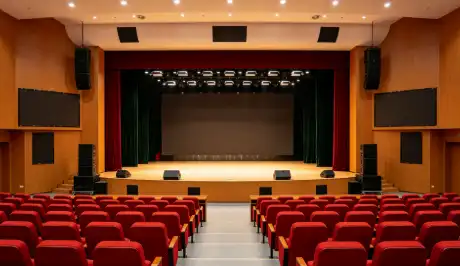
Understanding Strategic Procurement for Educational Stage Infrastructure
When buying performance tools, university purchase teams have to deal with some unique problems. Unlike business venues whose only goal is to make money, educational venues have to balance the needs of students with the need to stay within budget. Your choices about what to buy have a direct effect on how well students learn, how happy teachers are, and how well the school is known.
The first step in strategic buying is to do a full needs assessment. Every year, academic performance places usually host between 150 and 300 events, ranging from small chamber music concerts to big musical theater shows. This level of use calls for equipment that is built to last, not just work for a short time.
In education, budget cycles often last for more than one fiscal year. This means that procurement workers have to use total cost of ownership research to show that initial investments were worth making. Quality stage equipment lowers the cost of repairs, keeps operations running smoothly, and stretches the time between replacements. Industry data shows that properly defined performance equipment used in schools has service lives of more than 25 years when it is maintained according to the right procedures.
There are also many people with different goals involved in the procurement process, such as technical leaders, department chairs, building managers, and safety officers. These points of view can be brought together through joint specification development that takes into account budget, safety standards, and functional needs.
Current Trends Shaping Performance Infrastructure Procurement
Digital Integration and Control Systems
Control tools on modern stage platforms are very advanced, which makes them easier to use. Programmable logic controllers (PLCs) with touchscreen displays let expert staff set up systems in predefined ways, which cuts down on the time needed to set up for each event. These systems keep track of practical data, which helps with planning upkeep and keeping records of compliance.
Universities are asking for equipment that works with building control systems more and more. This lets them keep an eye on everything from one place and save energy. Integration with schedule and access control software makes it easier to use the facility while still following security rules.
Sustainability and Lifecycle Considerations
Educational places use environmental responsibility to decide what to buy. Manufacturers of stage equipment now include environmental product statements that explain where the materials come from, how much energy they use, and how they can be recycled when they're no longer useful. Biodegradable fluids are used in hydraulic systems, and electrical parts must meet strict efficiency standards.
Durability is a measure of sustainability in and of itself. When compared to alternatives that need to be changed often, equipment that is designed to last 30 years has less of an effect on manufacturing and less waste in landfills. Universities that study carbon impacts are becoming more and more aware that a small investment in materials now will pay off in the long run for the earth.
Modular and Adaptive Design Philosophy
Since educational content is always changing, performance places need to be able to adapt to those changes as well. Modular platform systems let you change the way they're set up without having to do big repairs. Mobile stage parts on precision wheels make it easy to switch between proscenium, thrust, and arena setups quickly.
This adaptability is especially useful in places that serve both academic areas and community partners. In the same hall, orchestra practices might happen in the morning, physics lectures might happen in the middle of the day, and modern dance shows might happen at night. Each of these events would need a different set of furniture.

Evaluating Suppliers and Stage Platform Solutions
Technical Capability Assessment
To choose the right manufacturing partner, you need to do a lot more than just compare prices. Check out the engineering tools, production sites, and quality control systems. Reliable sellers keep their ISO 9001 certification up to date and follow safety rules like EN 17206 for stage equipment and ANSI E1.4 for theater rigging.
Ask for written instructions on how to test. Manufacturers of good products put platforms through static load tests at 125% of their stated capacity and dynamic load tests at 110% to make sure the structures are strong. To make sure they work well under stress, hydraulic systems are tested at 1.5 times their working pressure.
Look over project files that are mostly about teaching installations. Suppliers with a lot of experience working with universities know how to meet specific needs like noise concerns, disability standards, and integrating with existing infrastructure. Case studies should show that commissioning, ongoing help, and long-term achievement all went well.
Material and Construction Quality
Material choice is the first step in making a stage platform last. Premium systems have frames made of high-tensile galvanizing steel that doesn't rust or wear out easily. Decks usually have 18mm exterior-grade hardwood with non-slip coats on the surface, which keeps your feet safe and keeps the deck's soundproofing.
Look at the ways of connecting and the duplication of the structure. Welded parts are tested for stability without damaging them, and mechanical fasteners use self-locking hardware that keeps them from coming loose from vibrations. Safety factors of 4:1 or more should be used for load-bearing parts.
Particular care needs to be taken with hydraulic lifting devices. Cylinders that are precisely cut and rods that are chrome-plated keep things from scoring and leaking. Holding valves protect against failure by stopping unwanted fall even if hoses break. These parts have a direct effect on the safety of users and the life of the system.
Compliance and Safety Verification
Schools have a big responsibility for keeping students and the public safe. The tools that is required must meet all the necessary codes, such as the International Building Code's rules for meeting rooms. Certification from an independent testing center (UL, TÜV, or a similar) is an objective way to show that the requirements are met.
Emergency stop circuits, overload protection, and motion signs are all safety features that should be present. Guard bars, safety gates, and sides that respond to pressure keep accidents from happening while the machine is in use. Control systems need dual-channel design to make sure that failures at a single point can't lead to dangerous situations.
Ask for full paperwork packages that include operation instructions, engineering figures, and wiring diagrams. Throughout the lifecycle of the equipment, these tools help with training for facility staff, regular upkeep, and checks by regulators.
Leveraging Technology in Stage Platform Selection
Advanced Design and Simulation Tools
3D modeling and simulation are useful tools for modern buying methods. Suppliers should give you CAD models that are compatible with your building plans. This will make it easier to work with other systems in the building. Virtual walkthroughs help people see how things will fit together and find problems that might arise before the actual building starts.
Finite element analysis (FEA) software checks how well a structure works in a variety of stress situations. This computer-based method makes the best use of materials, cutting down on weight and cost while keeping safety limits. To make sure the engineering is sound, ask for FEA results for custom setups.
Remote Monitoring and Diagnostics
When IoT devices are added to stage platforms, they provide real-time operational data that can be accessed through web screens. Hydraulic pressure, motor temperature, and cycle numbers are some of the factors that are monitored. Anomaly recognition systems can spot problems before they break down, which allows for proactive maintenance.
Factory workers can look at how well a system is working without having to go to the spot to do so with remote diagnostics. This support model cuts down on downtime and increases the amount of time that equipment is available. This is especially helpful for universities where performance dates are set in stone.
Training and Documentation Systems
Digital training courses and virtual reality apps help employees get better at using complicated tools faster. Interactive tutorials show workers how to do basic tasks, and safety drills help them remember the right way to do things.
Cloud-based documentation systems make sure that only approved people can view up-to-date manuals, parts lists, and repair plans. Version control makes sure that old information doesn't lead to mistakes or safety violations in the workplace.
Managing Risks in International Stage Equipment Procurement
Quality Assurance Across Supply Chains
Buying stage platforms from companies in other countries needs strict quality control. Do industrial checks that look at how things are made, how materials are handled, and how tests are done. Inspection services run by a third party can check accuracy before shipping, which lowers the risk of getting equipment that doesn't meet standards.
Set clear standards for acceptance and hold-point checks at key stages of production. Need pictures of the welding, putting together, and testing. These steps keep projects from being held up and costing a lot of money in extra work.
Logistics and Installation Coordination
Shipping large stage platforms is a complicated process. Dimensional limitations may mean that parts have to be taken apart to load a container. Careful paperwork is needed to make sure that the parts are put back together correctly. Work with sellers who offer export wrapping that is designed to keep delicate parts safe while they are being shipped internationally.
Plan the work around school schedules to cause as little trouble as possible. Usually, the best times to work on big projects are during the summer break. Make sure that the installation teams have the right licenses and insurance that meets university standards.
Warranty and Support Structures
A full warranty covers your investment against problems with the way it was made and breakdowns that happen before they should. Standard terms should cover building parts for at least two years and electricity systems for at least one year. Make it clear who is responsible for paying for trips, new parts, and on-site service.
Look at how long parts will be available. Reputable makers keep parts in stock for models that are no longer being made, which stops problems with obsolescence. Service deals with clear reaction times help you plan your budget and make sure you have technical support when you need it.
Building Enduring Partnerships with Stage Equipment Providers
Collaborative Design and Value Engineering
The best connections with suppliers start when the specifications are being made. Get makers involved early on to use their knowledge to improve ideas. Value engineering tasks can help you find other ways to do things that are more useful and less expensive.
Standardization across many places is often good for universities. Consistent equipment bases make it easier to train people, keep track of parts, and do upkeep. Talk about fleet strategies with providers who can offer discounts for bulk orders and synchronized arrival times.
Performance Monitoring and Continuous Improvement
Set up regular review rounds that compare the performance of the tools to what is needed for operations. Quickly write down any problems and work with providers to put rightive steps in place. This feedback process leads to better products that will help future installs.
Give makers information about how the product is used so they can make repair suggestions and find ways to improve it. Suppliers learn a lot about how things work in the real world, and you get personalized help that fits with how things really work.
Strategic Planning for Facility Evolution
Renovations to a campus's master plan are often done in stages over many years or even decades. Build partnerships with suppliers who can provide compatible tools as projects move forward and who understand your long-term goals. Using the same design style across all places makes operations run more smoothly and the space look better.
Talk about new tools and trends in your field with people you know. Their thoughts on new technologies like automatic rigging systems, quiet drive mechanisms, and eco-friendly materials help with budgeting and planning for capital purchases.
The stage platform truck is a great example of new ideas in mobile performance infrastructure. It gives universities a lot of freedom for outdoor events and programming that takes place on more than one campus. This all-in-one system blends transportation and deployment into a single unit that can go from a travel configuration to a full performance setting in less than an hour. The hydraulic expansion system makes the stage area 200–300% bigger, giving you a lot of room to perform in a small place. The high-tensile galvanizing steel design makes it last, and the 18mm anti-slip plywood decking can hold up to 500 kg/m² of weight. The technical infrastructure is made up of wind-resistant truss structures rated to Beaufort force 6–8 and combined power generation systems (10–50kW). Universities that host community outreach programs, school festivals, and events in places without fixed facilities will find this mobile platform option very useful. The self-contained design gets rid of the need to coordinate with multiple providers, which makes logistics easier and lowers the cost of setting up an event.
Conclusion
Finding long-lasting stage platforms for university auditoriums is an investment in the quality of education and community involvement. For procurement to go well, professional skills, supplier qualifications, and long-term support structures must all be carefully looked over. Modern systems are safe and have a lot of operating freedom, so they can handle a wide range of programming while still meeting safety standards. Universities get the best results when they involve skilled makers early on in the specification process, use technology to make sure the design works, and form relationships that help them keep improving. Quality stage infrastructure has been used by schools for decades to provide dependable performance that improves student learning, artistic success, and the image of the college for future generations.
FAQ
What load capacity should university stage platforms support?
To fit grand pianos, orchestral risers, and scenery, university auditorium platforms usually need to be able to hold 500 kg/m², or about 100 lbs/ft². Productions with a lot of dance and movement may deserve better scores. Make sure that the figures are correct and follow the building rules in your area. Talk to your technical director about specific code to get a good idea of the load needs before you choose tools.
How do hydraulic stage platforms compare to mechanical lift systems?
When compared to mechanical scissor lifts, hydraulic systems are easier to maintain, run more smoothly, and make less noise. They give exact control over positioning, which is needed for coordinated actions in theater shows. These days' hydraulic platforms have extra safety features like pressure-relief valves and emergency lowering controls. Universities that want to keep things quiet during shows usually choose hydraulic technology, even though it costs a little more at first. The investment was worth it because the service will last longer and cost less to maintain.
What training requirements accompany new stage platform installations?
Manufacturers should give full training to operators that includes how to use the machine normally, what to do in an emergency, and how to do regular repair. Technical staff should have at least eight-hour lessons with hands-on experience. There should be operation manuals, upkeep plans, and troubleshooting tips in the documentation. Refresher training once a year keeps people skilled and promotes safety rules. Some places need qualified workers for powered stage equipment. Check local rules when planning to buy to make sure you're following them, and plan for the costs of ongoing certification.
Partner with Sh Stage for Superior University Performance Infrastructure
Since 2009, Sh Stage has been a leading direct manufacturer under Jiangsu Zhongbang Intelligent Technology. We provide ISO/CE and EN 17206-certified systems with factory-direct pricing, eliminating middleman markups for educational institutions.
We specialize in high-load stage platforms and telescopic systems, rigorously tested at 125% static load to ensure maximum safety for demanding academic and performance environments.
Our engineering expertise is proven through successful installations in university music halls, multipurpose auditoriums, and experimental theaters worldwide.
We offer one-stop support—from custom CAD design and professional installation to 24/7 multilingual technical assistance and operator training—ensuring long-term reliability.
Contact us for tailored project proposals and quotes:
Email: info@shstage.com
WhatsApp: +86 18068792502
Website: www.shstage.com / www.jszbzn.com
References
Grant, R. (2021). The Stage Engineering Handbook: Design and Specification for Performance Venues. Performance Press International.
Chen, M., & Rodriguez, L. (2022). Evaluation of the Durability of Hydraulic Stage Platforms in Educational Buildings. Journal of Entertainment Technology, 48(3), 215-234.
International Alliance of Theatrical Stage Employees. (2023). Safety Standards for Educational Performance Spaces. IATSE Technical Publications.
Keynes, K. (2020). Procurement Best Practices for University Facilities Management. Higher Education Infrastructure Press.
National Association of Schools of Theatre. (2022). Performance Facility Guidelines and Equipment Specifications. NAST Technical Standards Committee.
Williams, J., Thompson, S., & Park, D. (2023). A study of the long-term costs of stage equipment used in educational settings. Journal of Facilities Management, 37(2), 112-128.