




Maintenance Checklist for Long-Lasting Adjustable Stages
Maintaining an adjustable stage system means paying regular attention to the structure, electrical, and mechanical parts that make sure it works safely and reliably in a variety of situations. Proactive repair saves your investment and keeps your venue from having to pay for expensive downtime, whether it uses rotating platforms, hydraulic lifts, or modular designs. This detailed guide includes all the important things that theaters, event production companies, meeting centers, and other entertainment venues need to check in order to get the most out of their equipment and make it last as long as possible. Regular repair not only makes platforms last longer, but it also makes sure they meet safety standards that are important for high-traffic performance settings.
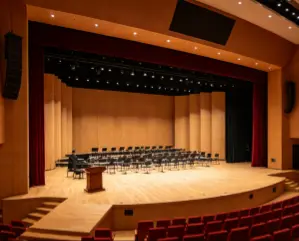
Understanding Modern Stage Equipment in Global Procurement Contexts
Over the past ten years, the way industrial stage equipment is bought has changed a lot. This is because of the merging of technology and higher safety standards. Performing arts places now judge providers based on their ability to provide real-time data, the level of automation they use, and the openness of their supply chains. Advanced spinning stages can turn 360°, have diameters from 3 to 12 meters, and can hold up to 8,000 kilograms of weight. They are big investments that need to be made with smart vendor partnerships. The positioning accuracy of these systems is within ±1mm, and the spinning speeds stay between 0.1 and 0.5 revolutions per minute. They use gear or friction transfer mechanisms.
The rise of digital technology has changed how event production companies figure out how long tools will last and what services are available. Now, venues that are in charge of rotating platforms or modular stage arrangements need detailed repair plans that are kept track of in the cloud. This move toward buying things based on data is in line with larger trends in the industry, where operating transparency has a direct effect on buying choices. Schools and event centers are putting more and more emphasis on suppliers who can provide turnkey solutions with upkeep records that can be checked. This is because they know that the long-term costs of running a business often exceed the initial costs of buying something.
Navigating Equipment Maintenance Challenges in Performance Venues
Stage equipment has its own operational stresses that make it harder for facility managers and technical heads to plan repair. Changes in temperature and humidity, as well as sound needs, have different effects on mechanical parts than they do on normal industrial equipment. Because the loads aren't always spread out evenly during performances, rotating stages used in plays and variety shows wear out in uneven ways. The problem is even worse for rental companies that move modular systems from one place to another, since putting them together over and over again wears out parts faster.
Compliance requirements make upkeep procedures more difficult, especially for companies that serve markets around the world. Documentation must show that CE-certified equipment is inspected and parts are replaced at certain times and on certain dates. Theme parks that have immersive shows with moving stages and adjustable stages have to find a mix between tight performance plans and repair windows. Without past performance data, many operators find it hard to guess when a component will break. This means that they take reactive rather than preventative actions.
Condition-based monitoring that keeps track of vibration patterns, temperature changes, and operating hours across mechanical systems is a strategic option. Automation tools now make it possible to diagnose control systems for stage lifts and rotating devices from a distance. This lets workers know about performance problems before they happen. By working with manufacturers who offer professional training, in-house teams can be sure they know how to do repair that is specific to each system. Creating standard inspection plans that are specific to the configurations of the equipment makes operations across multiple venues more consistent and reduces the chance of mistakes that happen during regular checks.
Essential Maintenance Components for Optimal Stage Performance
Maintenance programs that work well take into account how different systems work together to make the whole platform safe and reliable. The following main areas of review are the basis of any thorough repair plan:
- Mechanical Transmission Systems: Stages that turn depend on precisely designed gears or friction drives that need to be oiled and aligned on a regular basis. Every three months, check the drive belts for signs of wear, even stress, and surface damage. Check the gear teeth for cracking, cutting, or other odd wear patterns that could mean the gears aren't lined up right. Clean gearbox housings to get rid of built-up dirt and grime that can contaminate fluids and speed up the wear and tear on parts.
- Structural Integrity and Load Surfaces: Platforms that don't slip and don't wear down easily take a lot of stress from moving props, performers, and setting up equipment. Visually check the floor materials once a month for delamination, surface cracks, and loose fasteners. Check to see if circle or square platform shapes keep the structure together at the link points. Write down any bumps or uneven surfaces that could cause people to trip or make it harder for the weight to be spread out across the supporting structures.
- Hydraulic and Pneumatic Systems: When stage lifts use fluid power systems, it's important to pay close attention to the quality of the fluid, the stability of the seals, and the regularity of the pressure. Every six months, check the viscosity and amount of contamination in the hydraulic fluid, and replace the fluids as directed by the maker. Check the cylinder rods for cutting that could hurt the seals, and check the hose sections for wear and tear, bulging, or wear and tear caused by age. During routine maintenance, check that the safety lockout devices and pressure release valves work properly.
These basic categories of care work together to make effective working conditions in a range of venue types, including adjustable stages used in modern performance venues. Integrated maintenance plans that combine electrical and mechanical checks are helpful for theaters that use automated curtain systems and rotating platforms. To keep changeover downtime to a minimum, convention halls need to be able to quickly diagnose problems that happen when places are being set up for different events. By taking a comprehensive approach to mechanical, structural, and control system upkeep, operators can cut down on unplanned breakdowns and increase the availability of their equipment.
Selecting Reliable Equipment Suppliers and Service Partners
When comparing stage equipment providers, you need to look at both the quality of the products they sell and their ability to provide long-term assistance that goes beyond the initial installation. Manufacturers' technical knowledge is clear when they can make unique solutions that meet the acoustic needs, space limitations, and integration needs of each place. Touring production businesses that need consistent service access across foreign markets care a lot about their global reach. Check to see if possible partners keep spare parts in carefully placed warehouses so that they can be delivered quickly during key repair windows.
Customization lets strategic partners who can come up with unique solutions tell basic sellers from strategic partners who can just sell goods. Look at the supplier portfolios that show finished projects that were successful in similar types of venues, like theaters, schools, or entertainment centers. Check the rules for paperwork, especially the engineering plans, installation guides, and upkeep instructions that come with new equipment. Strong providers offer thorough training programs that make sure operators know how to use safety systems and control interfaces.
As part of your due research, you should check with current clients who use similar systems and follow similar performance plans, including adjustable stages, to get references. Ask about how quickly technical support questions are answered, how quickly warranty claims are processed, and whether retrofit options are available as the needs of the place change. When manufacturers show they are committed to constant innovation, they often offer ways to improve equipment so that it can be used for longer without having to be replaced completely. Before making any final choices about purchases, make sure there are clear service level agreements that spell out who is responsible for upkeep support, how to handle emergencies, and how long parts will be available.
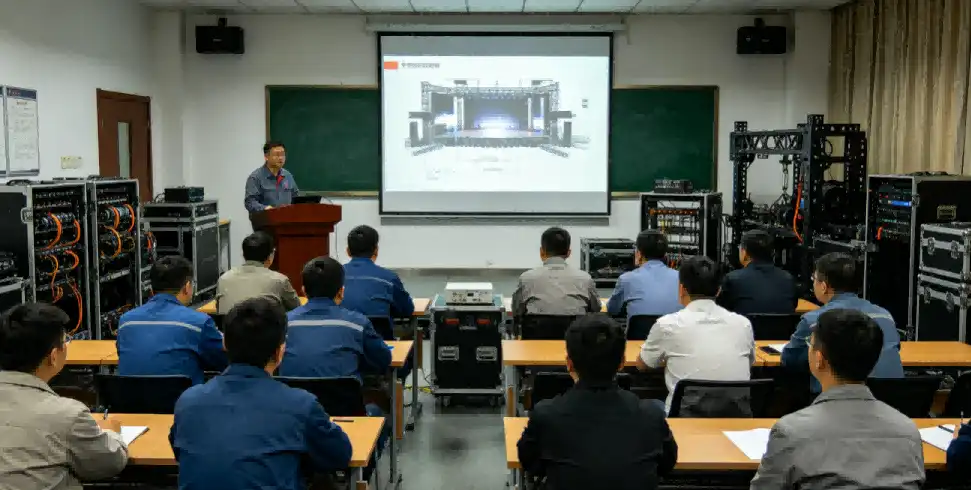
Implementing Proactive Maintenance Strategies for Maximum ROI
To get the most out of the money you spend on stage equipment, you need to switch from immediate repair methods to predictive maintenance methods. Setting standard performance measures during initial setup, such as rotation speeds, positioning accuracy, working noise levels, and power consumption patterns, is the first step in making decisions based on data. Keep an eye on these factors by monitoring them on a daily basis. This will help you keep historical records that show how performance is slowly declining before major problems happen.
For continuous process improvement, maintenance records must be looked at to find repeated problems that point to design flaws or changes that need to be made to how things are done. Work with the companies that sell you tools to make technical changes that will fix long-term problems. Standardizing repair procedures can help venues that have a lot of similar systems because it lets technicians focus on getting better at what they do instead of having to manage a bunch of different practices.
Building long-term ties with suppliers through open communication makes everyone responsible, which leads to high performance. Give operating data to makers to help them improve how they make products and how they tell you to maintain them. Join user group sites where places can share the best ways to do things and how to fix problems. Sticking to the rules is easier to do when repair paperwork is organized using forms that are in line with safety certification needs. Regular checks make sure that the testing methods, review times, and replacement of parts meet the legal standards in your area.
Conclusion
Maintaining systems with adjustable stages requires careful attention to mechanical accuracy, structure stability, and the dependability of the control system over the entire duration of the system. Venues that use thorough repair plans protect large investments in equipment and make sure that performances go on as planned. When you combine proactive inspection routines, smart supplier partnerships, and data-driven maintenance approaches, you get operating resilience, which is important for settings where you have to compete. As automation and digital integration continue to improve stage technology, new maintenance strategies are needed to keep equipment in good shape. These new strategies must find a mix between preventative care and predictive analytics in order to give audiences the reliable performance experiences they expect.
FAQ
What maintenance interval should I follow for rotating stage platforms?
Rotating stages need to have their surfaces, drive mechanisms, and safety systems inspected visually every month, and they also need full mechanical checks every three months. When to grease gear systems depends on how often they are used. Places with a lot of visitors should grease them once a month, while places with low traffic may go up to 90 days between lubrications. To stay in line with safety rules, annual certifications should include load tests, checks for location accuracy, and inspections of the electrical system.
How do I identify early warning signs of mechanical failure?
Strange noises like grinding, clicking, or screaming during operation mean that motor problems are getting worse and need to be looked into right away. It's a sign of alignment or bearing wear if vibrations get worse during spinning rounds. Temperature rises in motor housings or gears are a sign of poor lubrication or too much contact. Positioning precision dropping below what the maker recommends usually happens before the whole system fails, so it's important to do regular calibration checks as part of preventative maintenance.
Can maintenance requirements be customized for specific venue needs?
Maintenance procedures should always be able to change to the way things work, the surroundings, and the way the equipment is set up at each place. Schools that only use their facilities during certain times of the year may combine intense repair during the summer breaks. On the other hand, touring production companies need quick inspections before setting up their equipment. Work with the makers of the equipment you need to make customized plans that reflect your specific operating needs instead of general suggestions. This will help make sure that your maintenance efforts are focused on the high-risk failure points that are unique to your application.

Partner with Sh Stage for Reliable Stage Machinery Solutions
Since 2009, Sh Stage has been a premier direct manufacturer under Jiangsu Zhongbang Intelligent Technology. We offer ISO/CE-certified stage systems with factory-direct pricing and strict quality control, eliminating all middleman markups.
We specialize in precision adjustable stages (up to 12m), high-capacity hydraulic lifts, and integrated automation systems tailored to meet diverse and demanding performance requirements.
With successful installations across 50+ countries, our engineering expertise is proven in landmark national theaters, convention centers, and immersive entertainment complexes globally.
We provide one-stop support—from custom design and installation to 24/7 technical assistance and maintenance training—ensuring seamless operational excellence and safety.
Contact us for tailored project quotes and technical specs:
Email: info@shstage.com
WhatsApp: +86 18068792502
Website: www.shstage.com / www.jszbzn.com
References
American Society of Theatre Consultants. Technical Standards for Stage Machinery Systems. 2021 Edition. New York: ASTC Publications.
International Alliance of Theatrical Stage Employees. Safety Guidelines for Automated Stage Equipment Operation and Maintenance. IATSE Technical Bulletin Series, 2020.
British Standards Institution. BS 7906-4:2020 - Lifting Platforms for Use by Persons with Impaired Mobility - Maintenance and Inspection. London: BSI Standards Limited.
Entertainment Services and Technology Association. ANSI E1.4-2022: Manual Control Systems for Theatrical Lighting. New York: ESTA Publications.
Henderson, Mark R., and Patricia L. Collins. Preventive Maintenance Protocols for Entertainment Venue Infrastructure. Journal of Performance Facility Management, Volume 18, Issue 3, 2022, pp. 145-167.
Van der Berg, Klaus, and Yuki Tanaka. Lifecycle Cost Analysis of Modular Stage Systems in Multi-Purpose Venues. International Journal of Arts Facility Engineering, Spring 2023, pp. 89-112.