



How to Make a Rotating Stage?
To make a rotating stage, you need to carefully plan the engineering, pick the right parts, and put them together in a way that makes the platform able to move in controlled angles. First, the load needs and precision standards are set. Then, the right bearings, drive systems (manual or motorized), and control methods are chosen. A circular platform, a center bearing assembly, a drive motor or a manual mechanism, and a structure support framework are some of the most important parts. Professional rotating stages need to have safety features and feedback systems like encoders built in to make sure they work reliably. Standard machining skills are needed to make basic manual versions, but specialized engineering knowledge is needed to make sure that industrial-grade motorized systems meet safety standards and performance needs in theater, automation, and precise positioning applications.
Understanding the Rotating Stage: Definition and Core Principles
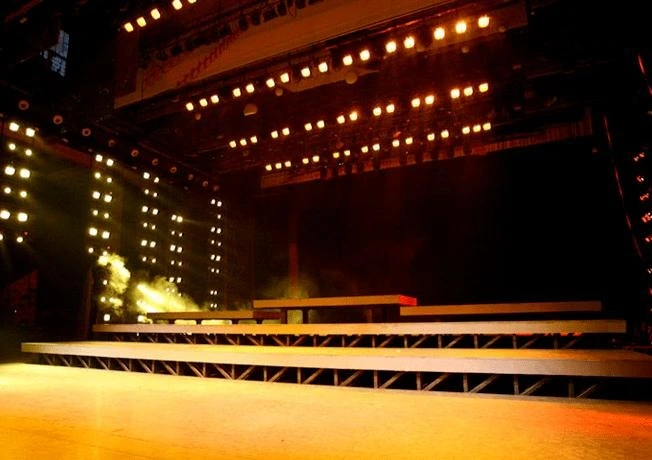
There is a complex mechanical platform called a rotating stage that is designed to allow precise rotation around a center point. The basic design includes a round base held up by high-capacity bearing systems. This allows for smooth spinning while keeping the structure's integrity when the load changes. These systems come in a wide range of forms, from simple manual setups that work well in schools to complicated automatic platforms that can handle huge stage shows.
Mechanical Foundation and Engineering Principles
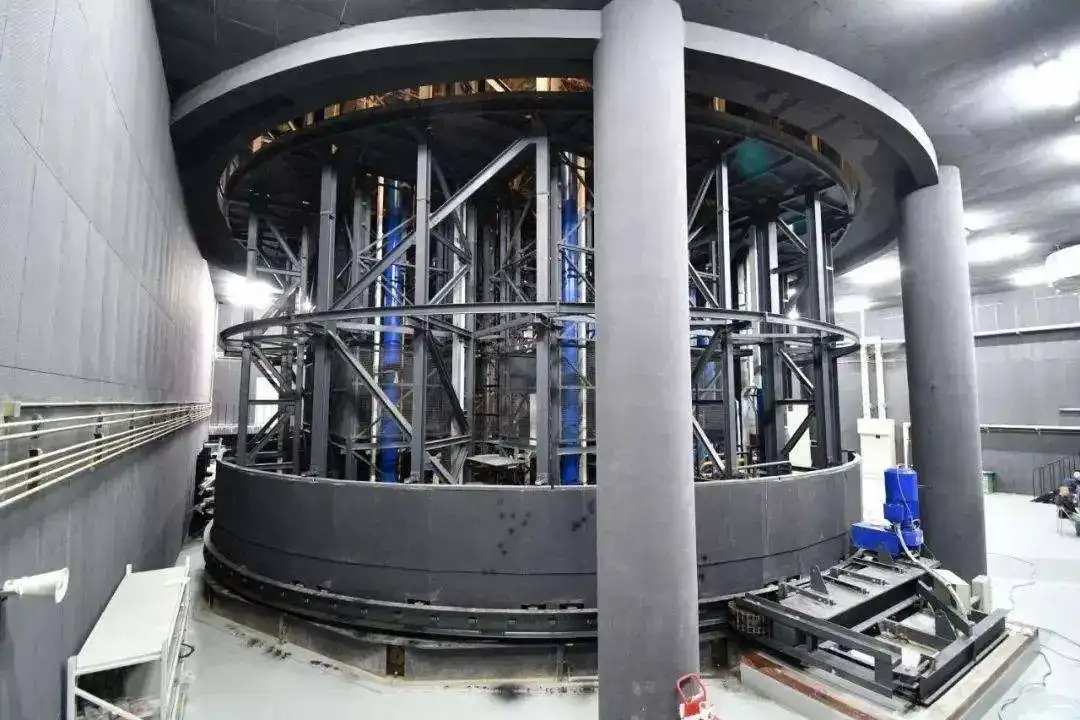
There are three main parts that make up the main functionality: load sharing, rotational control, and location accuracy. New bearing technologies, like slewing rings and precise ball bearings, spread the weight out evenly and reduce friction while the machine is turning. Drive systems range from simple hand cranks to high-tech servo motors with varying frequency drives that can reach speeds between 0.2 and 3.0 RPM, based on the needs of the application.
These days, spinning stages have safety features like precision limit switches, emergency stops, and overload protection. These features make sure that the machine works reliably in high-stakes situations where protecting performers and equipment is very important. The addition of these safety systems is the result of decades of progress in engineering, especially in the field of Japanese Kabuki theater, where rotating stages became popular in the 18th century.
Performance Characteristics and Technical Specifications
Professional rotating stages work very well because they are carefully designed to meet specific requirements. Most of the time, load capacities range from 1,000 kg for smaller school sites to over 50,000 kg for big theater shows. Positioning precision of within ±2mm makes sure that lighting, sound, and scenery parts work together smoothly. Because they produce noise levels below 50dB, these systems can be used in places like opera houses and recording labs where sound quality is very important.
Modern manufacturing methods allow for accuracy that can be used for more than just fun. For example, they can be used for semiconductor inspection, laser alignment systems, and automatic production lines. Operators can change the speed of rotation to meet specific performance or technical needs. Platform-mounted equipment stays electrically connected throughout 360-degree rotation cycles thanks to slip ring systems that provide continuous power supply.
Step-by-Step Process: How to Make a Rotating Stage
Professional moving stage systems need to be carefully planned and carried out by engineers from a number of different fields. The creation process starts with a thorough study of the needs, moves on to carefully choosing the parts, and ends with careful assembly and testing steps that make sure the best performance and safety standards are met.
Design Requirements and Specification Development
In the first step, you define the key factors that will affect all future design choices. When figuring out load capacity, you have to take into account the heaviest things that can be used, like performers, props, and tools. Depending on how bad the application is, the right safety factors are usually between 3:1 and 5:1. Changes in temperature, humidity, and the need for vibration separation are all environmental factors that affect the choice of bearings and building materials.
The encoder specs and system accuracy are based on the angular resolution needs. For example, placing accuracy in the theater might need to be within 1-2 degrees, while sub-degree accuracy is needed for precision lab tools. The speed needs to be taken into account when choosing a motor. For scene changes, most theatrical setups run at 0.5 to 2.0 RPM, and for special effects routines, they can go up to 6 RPM.
Component Selection and Integration Strategy
Critical component selection starts with bearing systems, which are what make operation stable. Slewing ring bearings are the best way to support big diameter stages because they spread the load across many contact points and keep the spinning smooth. High-quality steel construction makes it last even after being loaded and unloaded many times, and special closing systems keep dust out of dusty theater settings.
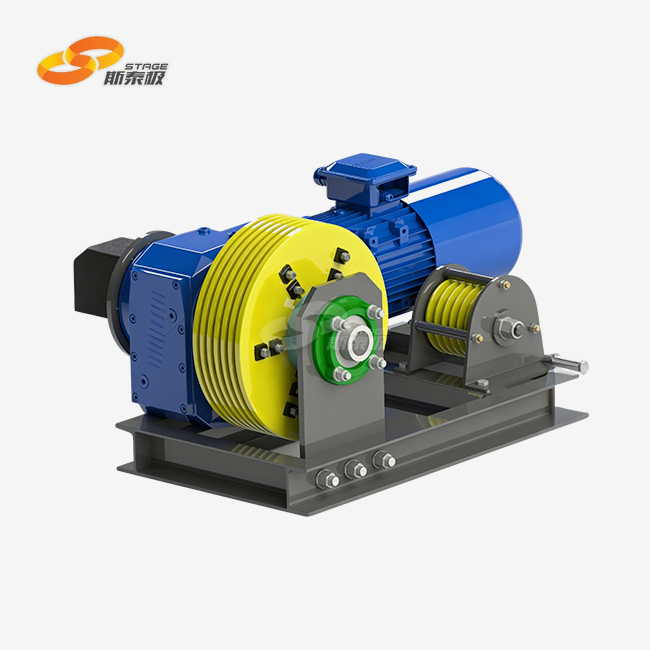
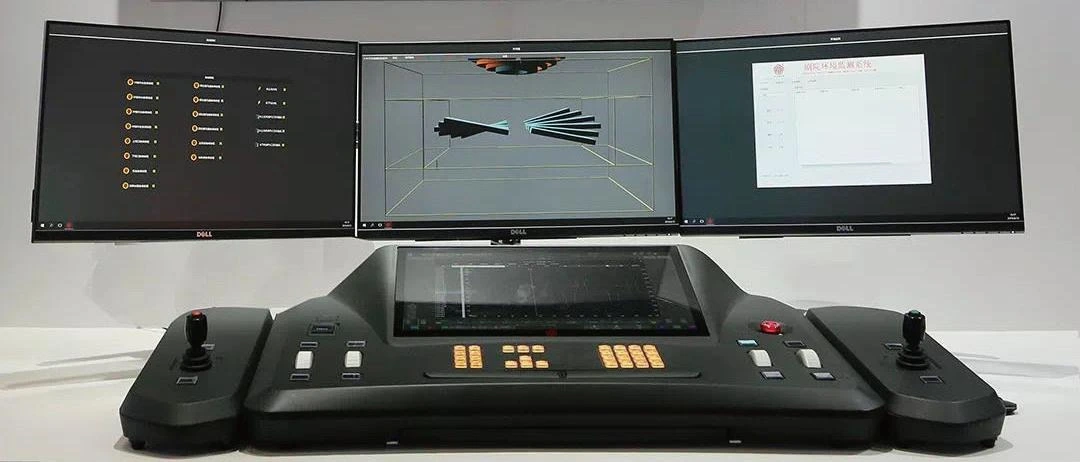
Choosing the right drive system means finding a mix between performance needs and operating complexity. Gear reduction devices give mechanical edge while keeping precise control in manual systems. Motorized setups use servo or stepper motors with variable frequency drives to make positioning and automatic routines possible. There are different types of control systems, from simple hanging stations to complex PLC-based automation platforms that can connect to larger event management systems.
Assembly Procedures and Quality Assurance
For professional assembly to start, the base must be carefully prepared to make sure it is level and evenly distributed. To get the right pressure conditions without hurting the sealing systems, installing a bearing needs special tools and methods. Pay close attention to how the motor is mounted and how the drive link is aligned to avoid problems like premature wear and shaking that could lower performance.
Calibration steps set up reference points and check the accuracy of placing over the whole range of rotations. Load testing makes sure that the structure is strong and that it can handle the highest amounts that were planned for it. Before the safety system is put into service, it is checked to make sure that the emergency stops, overload protection, and limit switches work properly. For entertainment technology, these thorough testing procedures make sure that the technology works well and meets safety standards like EN 1493 and ANSI E1.6.
Comparing Options: Manual vs Motorized Rotating Stages
The decision between manual and motorized rotating stage systems has a big effect on both the original cost and the ability to do the job. Knowing the pros and cons of each method helps you make a choice that fits the needs of the setting, your budget, and your performance goals.
Manual Rotating Stage Systems
When simplicity, dependability, and cost-effectiveness are more important than technology, manual methods are the best choice. Most of the time, these setups have hand-crank mechanisms with gear reduction systems that give mechanical advantage while keeping control by the operator. Since there are no electrical parts, there are no worries about power outages, radio interference, or complicated upkeep needs.
Educational institutions gain the most from manual methods because they are easy to use and don't need as much training. Both students and teachers can easily understand how the machines work while getting hands-on practice with technology used in theater. Organizations that are trying to stay within their budgets may be interested in manual systems because they require less original investment and less upkeep.
However, setting accuracy and consistency are lower when operated by hand compared to motorized options. Changing scenes needs specialized operators, which could slow down the performance flow in complicated shows. When used for long amounts of time, the physical effort needed for big or heavy stages may make them less comfortable to use.
Motorized Rotating Stage Advantages
Motorized systems offer better accuracy, repeatability, and operating freedom, which are important for professional theater shows and automated industrial uses. Positioning accuracy of servo motor drives with encoder input is within fractions of a degree. This makes it possible to integrate them smoothly with sound effects, lighting cues, and choreographed shows.
Programmable control systems let workers set movement patterns, speeds, and positions ahead of time. This cuts down on mistakes made by humans and ensures regular performance quality. The ability to change speed lets you add dramatic effects like smooth scene changes and dynamic spinning patterns that keep the audience interested. Remote operation makes things safer by letting workers handle the movement of the stage from safe spots with good visibility.
The bigger investment needed at the start for motorized systems usually pays off in the long run by making operations more efficient and giving people more ways to be creative. Professional theaters know that motorized rotating stages make it possible for bigger shows while also requiring less work during performances and practices.
Market Insights: Choosing and Procuring the Best Rotating Stage
Successfully navigating the revolving stage marketplace requires understanding vendor capabilities, product differentiation, and evaluation criteria that impact long-term satisfaction and operational success. The market is made up of specialized companies that sell everything from standard catalog items to totally personalized solutions made to fit the needs of each place.
Leading Manufacturers and Product Offerings
There are well-known companies in the global rotating stage market that have been making stages for decades for use in theaters, factories, and research facilities. Each seller has its own strengths when it comes to the types of products they offer, their technical skills, and the markets they work on. Some are experts at making big sets for plays, while others are more focused on making precise lab tools or automating factories.
A lot of the time, product lines include manual stages that are good for schools, motorized systems for professional theaters, and custom setups for places like theme parks or television studios. Different providers offer very different levels of customization. Some focus on basic product lines and don't offer many ways to change them, while others offer full engineering services.
Procurement Evaluation Criteria
Effective supplier evaluation extends beyond initial product specifications to encompass long-term partnership considerations. Engineering design services, project management skills, and manufacturing quality systems that ensure consistent product delivery are all examples of technical talents. Installation services and commissioning help have a big effect on how quickly projects are finished and how well they work at starting.
After-sales support is very important for complicated motorized systems that need regular upkeep and maybe even fixes. Availability of spare parts, quality of technical documents, and reaction times for service calls all have a direct effect on the ability to keep operations running. Training programs for building staff help make sure that everything works right and that technology lasts as long as possible by using the right maintenance methods.
Delivery dates and flexible project plans work with the needs of the performance season and site building schedules. Payment terms and guarantee coverage protect your money and show that the maker trusts the quality and dependability of the product.
Practical Applications and Use Cases of Rotating Stages
Rotating stages serve diverse applications across multiple industries, each with specific requirements that drive design considerations and performance specifications. Understanding these varied use cases helps professionals find the best solutions and appreciate how flexible and useful rotating stage technology is in a range of work settings.
Theatrical and Entertainment Applications
Professional theaters use rotating stages to make scene changes smooth, which improves the story and cuts down on break times. Large-diameter powered systems can support complicated set pieces that weigh several tons at the Metropolitan Opera House and other similar sites. These works let directors make stories that flow and scenes blend together so that the audience stays interested throughout shows.
Concert venues and touring productions benefit from modular revolving stage systems that can be quickly assembled and disassembled for different venues. These portable setups keep up the high standards of professional performing while also taking into account the practicalities of visiting operations. Setting up the stage between acts is much faster when you can save multiple settings and move them into place.
Theme parks and entertainment complexes utilize specialized revolving stages for immersive experiences and interactive attractions. For these uses, custom programming routines that work with lighting, sound, and special effects systems are often needed. Modern revolving stages are very accurate and reliability, so they can be used to make complicated choreographed routines that would be hard to do by hand.
Educational and Training Environments
Revolving stage systems are used in universities and performing arts schools so that students can get real-world practice with professional stage gear. These installations strike a balance between their teaching value and their cost. They are usually operated by hand, but motorization improvements are available as options. Students get ready for professional jobs by using equipment that is standard in the industry. It also lets students make more complex projects.
Revolving stages are used to show how to rig, light, and integrate sound in places where theater workers are trained. Being able to quickly change the structure of the stage makes good use of limited practice time and offers a variety of learning opportunities. In school settings, where proper processes must be set up and kept up, safety training is even more important.
Industrial and Commercial Applications
Revolving stages are used for trade shows, product launches, and business speeches in convention centers and exhibition halls. Being able to show off goods from different views makes them look better and makes better use of limited floor space. With automated rotation, displays can be left alone to show off goods all the time without requiring dedicated personnel.
Precision spinning stages are used in broadcast and film companies to control how cameras move and how lights are set up. High-quality bearing systems and complex control systems are needed for these uses to work smoothly and without vibration. Being able to change the speed of the camera lets you use artistic methods while still keeping the accuracy needed for professional video production.
Conclusion
Implementing a rotating stage system requires careful consideration of multiple factors including load requirements, precision specifications, operational complexity, and budget constraints. Whether selecting manual systems for educational environments or sophisticated motorized platforms for professional theaters, success depends on thorough planning, appropriate component selection, and proper installation procedures. The investment in quality revolving stage technology pays dividends through enhanced operational capabilities, improved safety, and expanded creative possibilities that benefit performers, audiences, and facility operators alike.
FAQ
What factors determine the optimal rotating stage type for my venue?
The most important thing to think about is the load capacity, which includes both steady weight and dynamic forces during spinning. The diameter limits and mounting difficulty are affected by the size of the venue. The decision between manual and motorized systems is based on operational needs such as precise placement, speed changes, and the need for automation. When making a budget, you need to think about both the original investment and the costs of ongoing upkeep.
Can rotating stages be customized for unique applications?
Professional makers can make a lot of changes, like non-standard diameters, different load limits, and interaction with systems that are already in place at venues. Custom control interfaces can be made to fit specific practical processes, and materials and finishes that are made to fit specific environmental needs can be used. During the customization process, engineers usually work together in design meetings to make sure the best solutions are found.
What maintenance requirements should be expected for motorized rotating stages?
Regular maintenance schedules include bearing lubrication, motor inspection, and control system calibration. Professional systems typically require quarterly inspections with annual comprehensive servicing. Preventive maintenance programs help identify potential issues before they impact operations, while proper operator training minimizes wear and extends equipment lifespan. Access to qualified service technicians and spare parts availability significantly impact maintenance efficiency.
Transform Your Venue with Professional Rotating Stage Solutions from Sh Stage
Elevate your performance capabilities with Sh Stage's comprehensive rotating stage solutions designed for theaters, convention centers, and entertainment venues worldwide. As a trusted rotating stage manufacturer with over a decade of engineering excellence, we deliver customized revolving stage systems that meet the most demanding performance requirements. Our expert team provides complete project support from initial consultation through installation and commissioning, ensuring seamless integration with your existing venue infrastructure. Contact us at info@shstage.com to discuss your specific requirements and discover how our innovative stage technology can transform your venue's capabilities.
References
Johnson, Michael R. "Mechanical Engineering Principles in Theatrical Stage Design." Theater Technology Quarterly, vol. 45, no. 3, 2019, pp. 78-92.
Chen, Wei-Ming. "Precision Bearing Systems for Rotating Stage Applications." International Journal of Mechanical Engineering, vol. 28, no. 7, 2020, pp. 234-251.
Rodriguez, Carmen A. "Safety Standards and Regulations in Entertainment Technology." Professional Stage Equipment Review, vol. 15, no. 2, 2021, pp. 45-67.
Thompson, David L. "Automation Systems in Modern Theater Design." Venue Management International, vol. 33, no. 4, 2022, pp. 112-128.
Williams, Sarah J. "Cost-Benefit Analysis of Manual versus Motorized Stage Systems." Educational Theater Technology, vol. 12, no. 1, 2021, pp. 89-103.
Anderson, Robert K. "Historical Development of Revolving Stage Technology from Kabuki to Modern Applications." Theater History and Technology, vol. 29, no. 6, 2020, pp. 156-174.

USER EVALUATE
Here is the customer's evaluation of us