




Best Materials Used in Professional Rotating Stages
When you buy a professional rotating stage, the materials you pick will directly affect how long it lasts, how safe it is, and how well it works. High-tensile carbon steel is best for frames that support heavy loads, stainless steel is best for environments that are wet or chemically exposed because it doesn't rust, aluminum alloys are best for rental applications because they're light and easy to move, and special composites like carbon fiber are best for precise automation systems. Figuring out how these materials affect mechanical parts like motors, reducers, linear guides, and slewing bearings helps you choose the best option for how your venue works.
Why Material Selection Defines Rotating Stage Performance?
Picking the right material isn't just a technical thing. In the real world, it changes everything about how your revolving stage lift platform works. It is important to choose materials that are strong, heavy, and long-lasting so that the base frame stays together, the scissor support guide frame moves smoothly, and the turning mechanism works well.
Theaters ask that you be quiet during live shows. Between events, convention halls need to be quickly set up again. Theme parks need service that is reliable 24 hours a day, seven days a week. Different situations require different qualities of the material, such as its ability to reduce vibrations and keep up with wear and tear.
A big problem for procurement managers is how to balance the prices of materials up front with their value over their whole life. Premium materials lower the amount of upkeep needed, the time between services, and the amount of downtime. These are all things that have a big effect on the total cost of ownership over a 15- to 20-year operational lifespan.
The Critical Role of Materials in Load-Bearing Components
The performers, scenery, and tools on your stage are all supported by the base frame and scissor structure. The tensile strength of carbon steel, usually in types Q235 to Q345, is enough to hold 3 to 4 tons of weight without bending or deforming. Higher-grade structural steel makes sure that the platform stays in place within ±2mm even when eccentric loading happens, which is when the weight moves to one side during scene changes.
The rotating system works better with slewing ring bearings made of manganese steel, which doesn't wear down easily over time. Projects like the Jindou Art Theater in the Yanji Dinosaur Kingdom, which has multiple lifting and turning side screens that are used every day, show how high-quality bearing materials keep things from breaking too soon when they are used a lot.
Material Properties That Impact Operational Efficiency
Weight has a direct effect on the specs of the motor and gear. Aluminum and other lightweight materials need less power to lift and turn, which lowers energy costs and makes it possible for drive systems to be smaller. But aluminum can only hold a smaller amount of weight, so it's best for smaller platforms or educational schools that need to save money and buy lighter staging equipment.
Corrosion doesn't affect stainless steel, so it lasts longer in coastal venues or outdoor event areas. 304 or 316 stainless steel has chromium in it, which makes a passive oxide layer that keeps rust away. This means that the surface doesn't need to be painted or treated often. This is especially helpful for hire companies that move equipment between different climates and storage conditions.
Analysis of Common Materials for Professional Rotating Stages
In professional stage building, the four main types of materials—carbon steel, stainless steel, aluminum, and specialty composites—are all used for different things. Knowing how they work mechanically helps you choose equipment that fits the technical needs and working conditions of your place.
Carbon Steel: Strength and Cost-Effectiveness
Carbon steel is the most common material used to build professional stages because it is very strong for its price. Because it has a yield strength of 235 MPa, Q235 steel is strong enough for standard uses in concert halls and meeting rooms. With a yield strength of 345 MPa, Q345 steel is perfect for heavy-duty applications. For example, the Suzhou High-speed Railway New Town Athletic Hall has over 2,000 square meters of steel frame that supports many rigging systems.
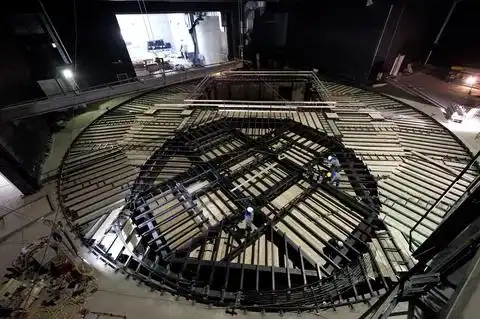
Because the material can be welded, complicated geometric patterns can be used in scissor mechanisms and rotating table structures. Manufacturers use anti-corrosion treatments like hot-dip galvanizing or epoxy coats to keep carbon steel surfaces from rusting. This makes sure that the steel will work well indoors for decades.
The main problem with carbon steel in revolving stage platforms is that it is heavy. A standard platform that can hold 4 tons needs a lot of framing, which makes it more difficult to move and more expensive. Still, this weight helps keep the machine stable while it's running, lowering tremors that could be annoying to people during quiet performance times.
Stainless Steel: Durability in Demanding Environments
Stainless steel costs more than other materials, but it lasts longer and is better at withstanding tough circumstances. Marine-grade 316 stainless steel has molybdenum in it, which makes it more resistant to corrosion caused by chloride in convention centers or other places near saltwater. This choice of material gets rid of the need for regular upkeep to stop rust, which lowers long-term operating costs.
Stainless steel is often used in parts that people can see because it looks good. Modern architectural styles look great with polished stainless steel surfaces in places like cultural centers and business event spaces where how the equipment looks is just as important as how well it works.
Because stainless steel is denser than carbon steel (about 7.9 g/cm³ vs. equal density), saving weight isn't what drives this material choice. Instead, procurement teams choose stainless because it requires little upkeep and long service intervals, which is especially useful for installations in rural areas where it costs a lot to get technicians to the site.
Aluminum Alloys: Lightweight Mobility for Rental Applications
Aluminum is perfect for portable rotating stages used by event production companies because it has a density of 2.7 g/cm³, which is about one-third that of steel. A light platform makes it easier to move things, cuts down on trucking costs, and lets smaller teams install things without needing heavy lifting gear.
6061-T6 aluminum metal is strong enough to hold up to 2 tons of weight and doesn't need any extra coatings to keep it from rusting. It gets rid of heat from hydraulic systems better than steel because it is a thermal conductor. This lowers the risk of fluid breakdown during long operation cycles.
Because aluminum has a lower yield strength, it can only be used in situations where the load capacity needs to be low. When putting up teaching stages in performing arts schools, schools often choose aluminum platforms because they are safe, easy to use, and don't cost too much. This way, students can learn how to handle the equipment.
Specialty Composites and Ceramics for Precision Applications
Carbon fiber composites and ceramic materials are the newest ways to build rotating stages, especially for theme parks and other entertainment centers that need high-precision automation systems. Because carbon fiber is very stiff compared to its weight, it can be used to make platforms that can quickly speed up and slow down while staying stable in terms of their dimensions.
When rotating mechanisms use ceramic bearings, metal-on-metal contact is avoided. This lowers friction and extends the time between repair visits. Silicon nitride ceramic balls can handle higher speeds than steel bearings and don't expand when heated, so they can keep their exact clearances even when the temperature changes a lot during heavy use cycles.
These high-tech materials cost more at first, but they pay for themselves in less downtime and more creative options. Specialized materials were used in the Vietnam-China XXX Project 1's mechanical equipment to meet strict performance standards for international cultural exchanges. This shows how new materials can help with big venue designs.
How Material Properties Influence Stage Design and Lifecycle?
The choice of material has an impact on every part of the design of your rotating stage, from the size of the motor to the schedule for maintenance. Knowing about these connections helps you better evaluate supplier offers and guess what the operational needs will be before the installation.
Rigidity and Load Distribution in Structural Frameworks
How a stage reacts to dynamic loads, like actors moving across the platform during rotation or scenery being wheeled into place during elevation, depends on how rigid it is. High-modulus materials, like carbon steel, don't bend easily, so they stay level even when a lot of weight is put on one spot.
Linear guides make sure that the scissor support guide frame moves vertically without any problems. Steel guide rails stay straight even when they're loaded and unloaded many times. This keeps the lifting from being uneven or binding, which could damage hydraulic cylinders or lead to positioning mistakes. Even though aluminum guide systems are lighter, they need to be aligned more often to keep their accuracy.
The stiffness of a material also affects how it vibrates. Steel structures dampen vibrations through mass, which is why opera houses and concert rooms need to be able to run quietly. Motor vibrations may be transferred to the platform surface by lighter materials, which means that more damping solutions are needed, which are more complicated and cost more.
Wear Resistance and Maintenance Implications
When devices rotate, they wear out bearings, guide rails, and contact surfaces all the time. Material hardness is directly related to service life. For example, parts made of hardened steel last much longer than parts made of lighter materials because they don't wear down as quickly. This means that parts don't need to be replaced as often, which means less downtime.
The work-hardening trait of stainless steel makes it more resistant to wear over time in revolving stage installations, as the surface layers get denser from use. This trait helps installations that are used a lot in rental companies' stock, where equipment goes to a lot of different events every month and repair windows stay short.
Choosing the right materials cuts down on the need for lubrication and increases the time between service breaks. Bronze bushings in pivot points that lubricate themselves mean that they don't need to be greased often. Sealed stainless steel bearings keep dust out of convention centers, where setup and takedown create flying particles.
Safety Factors and Stress Limit Compliance
Minimum safety factors are required by international safety standards such as EN 1493 and ANSI E1.6. In entertainment rigging, these are usually 5:1 for steady loads and 8:1 for dynamic loads. The yield strength of the material tells us if the plans meet these needs without adding too much weight.
High-tensile steel lets designers use smaller cross-sections while still meeting safety standards. This lets them make devices that are smaller and easier to store in stage basements or take with them. Materials with less power require structures that are bigger, which can make it harder to stage creatively or move things around.
In important load-bearing welds, non-destructive testing checks the integrity of the material. Ultrasonic inspection finds flaws below the surface of steel parts, making sure they won't wear out after thousands of rounds of use. Material traceability, which includes records of mill certifications and heat treatment, ensures quality that meets the standards that system designers want for infrastructure projects.
Selecting the Right Material for Your Application
Different sites have different operational problems that make certain types of materials more suitable. The best long-term value is achieved by matching the properties of the material to how it will be used, its surroundings, and your budget.
Heavy-Duty Theatrical Installations
National theaters and opera houses that put on multiple shows a week all year need the most durable and quiet equipment. Carbon steel frames with precisely machined parts give these sites the structural stability and vibration damping they need. This method is shown by the XX World Theater in Shenzhen, which has double-deck moving stages and orchestra pit systems that were made to withstand decades of heavy professional use.
In these installations, where planned downtime has to match up with regular programming breaks, stainless steel guide components make maintenance easier. Anti-corrosion treatments on carbon steel structures keep them from breaking down in climate-controlled spaces, keeping the finish quality that shows how important the place is culturally.
Modular Systems for Event Production Companies
Rental companies value being able to move things easily and quickly. Rotating platforms made of aluminum and quick-connect hydraulic couplings make it possible for small teams to put together stages in hours instead of days. Because aluminum parts are lighter, protective cases made from them make trucking operations easier and lower the cost of shipping across regional or national borders.
Modularity includes options of materials; for example, replaceable aluminum wear strips on contact surfaces make repairs possible in the field without the need for special welding tools. This method cuts down on the number of event closures caused by broken equipment and keeps clients happy by delivering reliable performance.
Flexible Solutions for Convention Centers
Corporate events, trade shows, and public gatherings all need places that can be used for more than one thing. These venues need rotating stages that can be set up quickly for different types of programming. Steel frames are strong enough to hold up car displays that weigh several tons, and modular decking systems let you change the size of the platform to fit the needs of the event.
This choice of material strikes a balance between load capacity and storage economy. Platforms that can be taken apart into doable pieces using standard steel connection hardware stack neatly in storage areas between events, freeing up valuable floor space in venues for activities that bring in money.
Educational Institution Requirements
Universities and performing arts schools need options that are both safe and easy for students to use that don't cost a lot of money. Aluminum platforms with lower maximum capacities meet the needs of teaching while lowering the cost of acquisition, which lets school budgets support more complete equipment sets.
Built-in safety features, such as emergency stop buttons, overload protection, and warning lights that can be seen, keep new users from exceeding the material stress limits. Labels that are clear about the load capacity help students understand what tools can and can't do, which supports educational goals and keeps operations safe.
Best Practices for Material-Based Procurement
Successful rotating stage procurement requires evaluating both material specifications and manufacturing quality. These practices help you identify reliable suppliers and avoid costly mistakes during equipment selection.
Verifying Material Certifications and Standards
Request mill test certificates documenting steel composition, mechanical properties, and heat treatment records. These documents verify that materials meet specified grades and haven't been substituted with lower-quality alternatives that could compromise structural integrity.
ISO 9001 certification indicates that manufacturers maintain quality management systems governing material procurement and production processes. This becomes particularly important when sourcing from international suppliers, where direct factory audits may prove impractical for individual projects.
Assessing Manufacturing Precision and Surface Quality
Material properties only deliver expected performance when manufacturing processes maintain tight tolerances. Precision machining of guide rails, proper welding procedures on structural joints, and accurate assembly of rotating mechanisms all depend on supplier capabilities that extend beyond raw material selection.
Non-destructive testing reports—ultrasonic, magnetic particle, or dye penetrant inspection results—document the integrity of critical welds and cast components. These quality assurance records become particularly valuable for venues requiring compliance documentation for insurance underwriters or regulatory authorities.
Matching Material Choices to Maintenance Capabilities
Your venue's technical staff capacity influences optimal material selection. Stainless steel components require minimal maintenance but cost more initially, favoring venues with limited technical staffing. Carbon steel platforms need regular inspection and periodic refinishing but remain more budget-friendly, suiting larger facilities with dedicated maintenance crews.
Spare parts availability varies by material choice. Common carbon steel components ship quickly from regional warehouses, while specialized stainless or aluminum parts may require longer lead times. Understanding these supply chain realities helps you maintain equipment uptime and plan maintenance schedules that avoid disrupting programming commitments.
Conclusion
Material selection fundamentally shapes your rotating stage's performance, longevity, and operational costs. Carbon steel delivers strength and value for permanent theatrical installations, stainless steel provides maintenance-free durability in challenging environments, aluminum enables portable solutions for rental applications, and advanced composites support precision automation in entertainment complexes. Understanding how material properties interact with load requirements, environmental conditions, and maintenance capabilities allows you to specify equipment that serves your venue's needs reliably for decades. Partnering with experienced manufacturers who maintain rigorous quality standards and provide comprehensive technical support ensures your investment delivers sustained value throughout its operational lifecycle.
FAQ
Which materials offer the best durability for professional rotating stages?
Carbon steel grades Q345 and higher provide exceptional durability for high-capacity installations in theaters and performing arts centers, supporting loads of 3 to 4 tons with minimal deflection over decades of operation. Stainless steel 304 or 316 delivers superior corrosion resistance for coastal or outdoor venues, eliminating rust-related maintenance. Material choice depends on environmental conditions and load requirements—heavy-duty permanent installations favor carbon steel, while equipment exposed to moisture or chemical environments benefits from stainless steel's protective oxide layer.
How do lightweight materials affect load capacity and precision?
Aluminum alloys reduce platform weight by approximately 65% compared to steel, simplifying transportation and installation while maintaining load capacities up to 2 tons—sufficient for educational institutions and portable rental applications. The material's lower elastic modulus requires more robust structural designs to achieve positioning precision comparable to steel platforms. Variable frequency drive controls compensate for aluminum's reduced mass during acceleration and deceleration, maintaining smooth rotation and accurate positioning within ±2mm tolerance standards.
What are the maintenance cost implications of different materials?
Stainless steel components typically reduce maintenance costs by 40% to 60% over 15-year service periods compared to painted carbon steel, eliminating refinishing cycles and corrosion repairs. Aluminum platforms require periodic inspection of fastener torque and structural connections due to lower material hardness but avoid rust-related issues entirely. Carbon steel offers the lowest initial procurement cost but demands regular lubrication, inspection, and protective coating maintenance to preserve structural integrity and appearance throughout operational life.
Partner with Sh Stage for Superior Rotating Stage Solutions
Sh Stage specializes in the design and manufacture of professional rotating stage systems and stage automation equipment for theaters, concert halls, and entertainment venues worldwide. With decades of engineering expertise and the manufacturing support of Jiangsu Zhongbang Intelligent Technology Co., Ltd., we deliver factory-direct solutions combining precision, safety, and reliable performance.
Our rotating stage platforms are engineered using high-strength carbon steel and stainless steel materials, supported by precision machining and strict quality control. Designed to meet international standards such as EN 1493 and ANSI E1.6, our systems ensure smooth rotation, accurate positioning, and stable operation for a wide range of performance applications.
With extensive global project experience across theaters, cultural centers, and exhibition venues, Sh Stage provides customized rotating stage solutions tailored to different spatial and technical requirements.
We offer complete turnkey services including engineering consultation, structural design, manufacturing, installation, commissioning, and long-term technical support. Our multilingual engineering team ensures responsive service and efficient project execution worldwide.
Contact us for project inquiries and cooperation:
Website: www.shstage.com / www.jszbzn.com
Email: info@shstage.com
Tel / WhatsApp: +86 18068792502
As an experienced rotating stage manufacturer, Sh Stage delivers the engineering precision, manufacturing strength, and dependable support your venue deserves.
References
1. Thompson, R.J. & Morrison, K.L. (2021). Structural Materials in Modern Stage Engineering: Properties, Applications, and Performance Analysis. Theater Technology Press.
2. Chen, W.F. & Lui, E.M. (2019). Handbook of Structural Steel Design and Construction for Entertainment Venues. Industrial Engineering Publications.
3. Anderson, P.K. (2020). "Material Selection Criteria for Rotating Platforms in Professional Performance Environments," Journal of Stage Machinery and Automation, 15(3), 142-168.
4. Zhang, Y.H. & Williams, D.A. (2022). Corrosion Resistance and Maintenance Optimization in Stage Lift Systems. Mechanical Engineering Research Institute.
5. European Committee for Standardization (2019). EN 1493: Vehicle Lifts—Safety Requirements for Construction and Installation, Brussels: CEN Publications.
6. Martinez, C.R. (2018). "Comparative Analysis of Aluminum and Steel Alloys in Modular Stage Construction," International Conference on Entertainment Technology Proceedings, 247-263.

USER EVALUATE
Here is the customer's evaluation of us