




5 Ways to Know You Need New Portable Stage Equipment
In today's competitive entertainment industry, recognizing when your portable stage equipment requires replacement can significantly impact your operational success and safety standards. Whether you manage a theater, coordinate events, or oversee venue operations, outdated stage machinery often presents clear warning signs that warrant immediate attention. Equipment failures, rising maintenance costs, safety compliance issues, limited functionality, and inadequate automation capabilities all signal the need for strategic upgrades. Understanding these indicators helps procurement professionals make informed decisions that enhance performance quality, reduce operational risks, and improve long-term profitability. Modern stage solutions offer advanced features, energy efficiency, and enhanced safety protocols that transform how venues operate and deliver exceptional experiences to audiences worldwide.
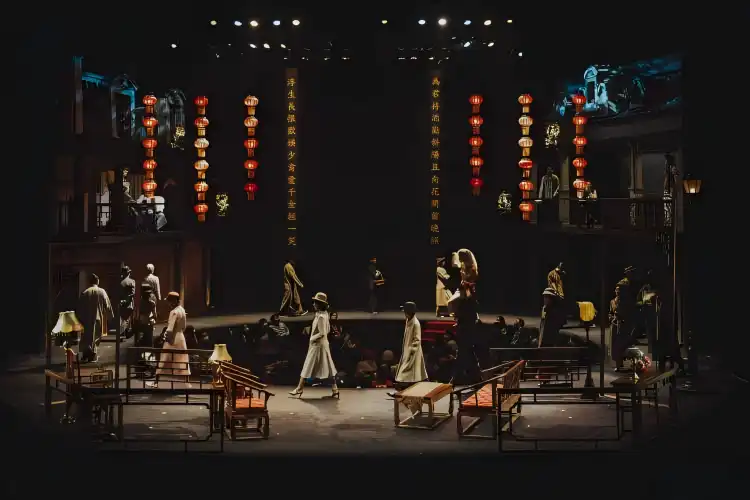
Identifying Performance Bottlenecks in Your Current Portable Stage Equipment
When stage equipment doesn't work as well as it should, it causes problems that spread and affect the whole production process. When your place has a lot of delays during setup or changeovers, it's probably because of old mechanical parts that can't handle the demands of the job.
Recognizing Setup Time Delays and Operational Slowdowns
Some pieces of equipment that used to make switching between acts easy may now take too long to do simple tasks. Platforms that move slowly, buttons that don't respond, and technical hiccups during crucial moments are all signs that the system is getting worse. These delays not only annoy the technical staff, but they also hurt the image of the place and the happiness of the audience.
When venues switch from manual methods to automatic ones, setup times drop by up to 40%, according to modern venues. After putting in new lifting systems and control interfaces, a small theater in Texas went from needing 45 minutes to just 18 minutes to change scenes.
Analyzing Component Wear and System Reliability
Critical parts wear out in expected ways that affect how well the whole system works. When motors are working outside of their most efficient range, they use more power and produce less. Control systems with old computers have a hard time keeping accurate timing during long runs. There are leaks in hydraulic parts that make them less safe and less effective.
Scheduling regular inspections helps find these situations that are getting worse before they cause the whole system to fail. When maintenance logs show that fixes are happening more often, it's often a sign that important parts of the equipment are getting close to the end of their useful lives.
Measuring Workflow Efficiency and Production Quality
By measuring production processes in a planned way, venue managers can figure out where performance is slowing down. Keeping track of measures like changeover times, machine downtime, and crew overtime hours gives you solid information to help you decide when to replace something. When venues' efficiency is constantly interrupted, they usually see big changes after updating their equipment.
When limited tools forces decisions on stage designs or performance elements, the quality of the production also goes down. Directors are using dynamic staging ideas more and more, which calls for responsive, dependable stage equipment that can support artistic goals without any technical limitations.
Ensuring Safety Compliance Through Equipment Upgrades
In the entertainment business, safety rules are always changing, so places have to keep up with equipment that meets the latest standards instead of old rules that might not protect people as well anymore.
Understanding Modern Safety Standards and Regulatory Changes
Occupational Safety and Health Administration (OSHA) rules for mechanical tools used in entertainment places are updated on a daily basis. Equipment made before recent changes to safety standards may not have some of the most important safety features that are now required for activities to be legal. Modern stage equipment usually comes with load tracking systems, emergency stop buttons, and two sets of safety devices.
When safety features don't meet current standards, venues that use older equipment could be sued or fined by the government. Insurance companies look more closely at the age and compliance status of tools when deciding on coverage terms and premiums.
Evaluating Risk Factors in Aging Equipment
Portable stage equipment that is getting old comes with a number of risks that go beyond just following the rules. Mechanical fatigue in load-bearing parts leads to random failures that put people and the audience in risk. Electrical systems that use old wire standards make fire and explosion risks higher. Control systems that don't have current safety interlocks may let dangerous equipment run during repairs or emergencies.
Risk assessment methods help figure out how much exposure there is and set goals for replacements based on how bad the effects might be. Professional safety checks often find hidden flaws in older systems that need to be fixed right away by upgrading tools or changing how things are run.
Implementing Proactive Safety Measures
Modern stage automation systems have many safety features that actively stop dangerous situations from happening. Monitoring the load keeps things from being too heavy, which could lead to structure problems. When motion sensors discover unexpected obstacles, they stop the tools from working right away. Distributed control systems keep operating logs that help with planning for preventive maintenance and investigating incidents.
These high-tech safety features lower the cost of insurance and protect place owners from being sued. Investing in better safety systems usually pays for itself through lower insurance rates and no longer having to pay for costs linked to accidents.
Overcoming Limitations of Traditional Portable Stage Machinery
Traditional control methods that are operated by hand make venues less flexible and less efficient. As people expect more from entertainment and places compete more to host high-quality events and shows, these restrictions become more of a problem.
Addressing Manual Control Inefficiencies
To operate stage equipment by hand, you need special training and access to skilled technicians who might not always be available during important events. Human workers can't get as accurate and consistent results as automatic systems can, especially when moving multiple platforms or flying systems at the same time during complex processes.
When quick changes need to be made during live shows, manual controls also slow down the response time. Automated systems can quickly carry out pre-programmed sequences while making sure that all related equipment parts work together perfectly in terms of timing.
Embracing Modular Design Advantages
Modular building is a key feature of modern stage equipment because it allows for easy configuration and upkeep. Modular systems let places change how the equipment is set up for different kinds of events without having to rebuild everything from scratch. Each module can be improved or replaced on its own, which lowers the cost of upkeep and keeps operations running as smoothly as possible.
Modular designs that are light and easy to move between places make equipment suitable for traveling shows and rental uses. Modern engineering and materials make it possible for parts to be tougher and lighter while still being durable and easy to carry.
Supporting Multi-Use Venue Requirements
These days, places have to be able to handle a wide range of events, from plays and concerts to business meetings and company events. Traditional tools that were made for specific tasks can't give you the freedom you need for multi-use processes to work well. Modern stage systems work well with video equipment, lighting systems, and building features to meet the needs of a wide range of programs.
When compared to venues with limited technology capabilities, those that invest in flexible stage options report higher booking rates and more money made per event. In busy entertainment markets, being able to quickly change the layout of areas for different types of events gives you an edge.
Reducing Operational Costs and Increasing Energy Efficiency
Rising running costs often make it necessary to change equipment, even if the current systems are still working. When it comes to operating costs, old equipment usually costs more than newer options because it needs more energy, upkeep, and labor.
Analyzing Total Cost of Ownership
An in-depth cost study shows how much it really costs to keep older equipment versus buying new technologies. Due to the need for constant pump operation, energy costs for hydraulic systems often go over $15,000 a year per major component in big settings. Electric options can save up to 60% of the energy used by traditional methods while still performing better.
As equipment gets older and needs to be serviced more often than the maker recommends, maintenance costs go up dramatically. When a model is no longer made, it can be hard to find new parts, which can lead to expensive custom manufacturing or the need to change the whole system in an emergency. When expert technicians need more time to manage older, more complicated systems, the cost of labor goes up.
Calculating Return on Investment
Through lower running costs and better revenue-generating capabilities, modern stage equipment usually produces a good return on investment within three to five years. Savings on energy costs alone can often cover 20 to 30 percent of the cost of a change. Lowering upkeep costs and making the system more reliable also add to the financial benefits.
Venues can figure out how much more money they make when their technical skills get better, which brings in bigger events and lets them charge more. Being able to handle complicated projects that used to need to rent tools from outside sources cuts down on big recurring costs and boosts profits.
Implementing Energy Management Strategies
Smart power management makes sure that equipment only runs when it's needed, which is how advanced control systems reduce the amount of energy they use. Instead of always running at full capacity, variable frequency drives change the power of the motors to match the load. Regenerative systems take in energy when processes are turned off and then send it back to the building's electricity systems.
These changes to speed help reach sustainability goals while also cutting costs. Venues that want to get green building certifications find that modern stage equipment helps them meet their environmental goals by lowering the amount of energy they use and making their operations more efficient.
Enhancing User Experience with Advanced Control and Automation Features
Improvements to the user experience help both technical staff and audience members by making operations easier and performances better. Modern control systems make complicated tasks easier to do while offering accuracy and dependability that have never been seen before.
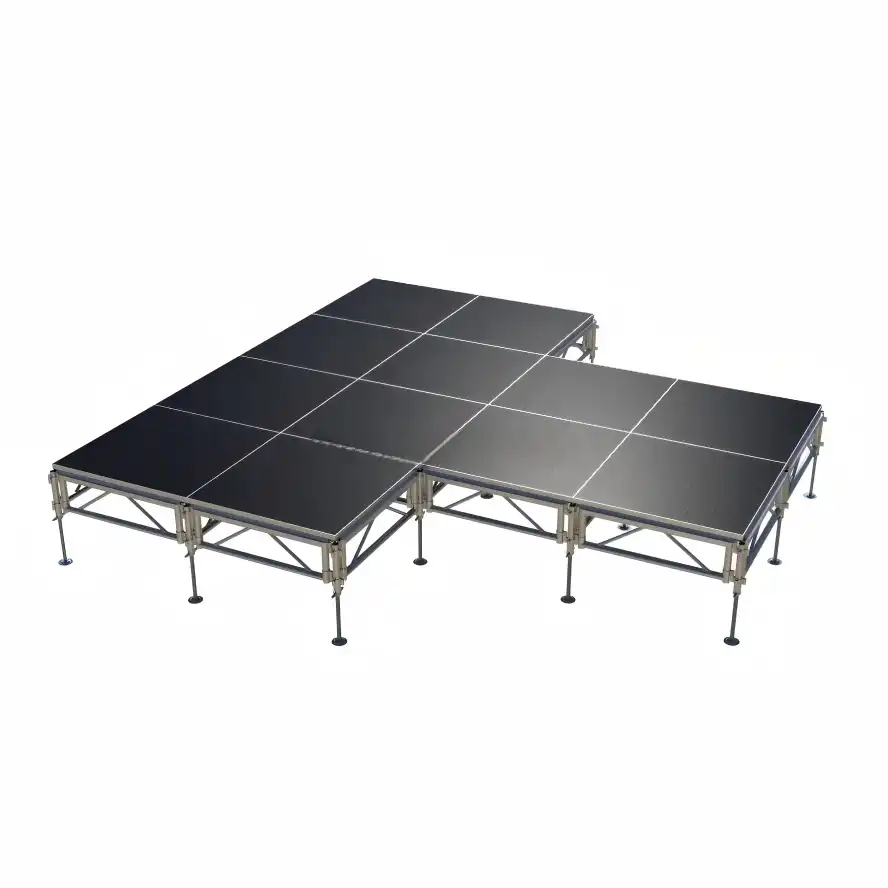
Integrating Intelligent Control Systems
Modern stage automation platforms have software tools that are easy for operators to understand, which means they don't need to be trained as much and the platforms can do more. Touchscreen settings with pictures of where the equipment is placed give instant visible input while the machine is being used. Pre-programmed routines make sure that complicated moves are always done the same way, and they eliminate the chance of human error.
Technical staff can check on the status of equipment from anywhere in the venue or even from home using a secure internet connection when remote monitoring is enabled. Diagnostic systems let repair workers know when problems are starting to happen and walk them through the steps they need to take to fix them.
Improving Operational Precision and Reliability
Positioning accuracy with automated systems is measured in millimeters, while with human settings it is usually measured in centimeters. Because of this higher level of accuracy, complex stage effects are possible that would not be possible with older tools. Synchronized multi-axis moves make scene changes smooth, which improves the experience for the audience and helps artistic goals.
Improving the reliability of the system cuts down on performance breaks and emergencies that hurt the venue's image. Redundant safety systems make sure that the process is safe even if some of the main parts fail for some reason. Continuous tracking systems keep an eye on performance factors and guess what repair needs to be done before they become a problem.
Supporting Creative Innovation
Directors, dancers, and set designers now have more creative options thanks to advanced stage machinery because they can use dynamic staging elements that were previously thought to be difficult or impractical. Quiet operation lets small movements happen during shows without bothering the crowd or the performers. Smooth patterns of acceleration and braking make motion look more natural, which boosts the dramatic effect.
With the ability to integrate lighting, sound, and video systems, shows can be planned so that all the technical parts work together to make the experience more realistic. Venues with advanced technology skills attract well-known shows from around the world, which brings in a lot of money and respect.
Conclusion
By knowing the five most important signs that it's time to replace portable stage equipment, venue managers can make smart choices that improve safety, efficiency, and creativity. Performance problems, problems with following safety rules, operating limits, rising costs, and old control systems are all signs that equipment needs to be updated to make things better. Modern stage solutions have real benefits, such as lower operating costs, better safety protection, higher energy economy, and more creative options. Proactive strategies for replacing equipment set places up for long-term success in entertainment markets that are becoming more and more competitive while also making sure they meet changing safety standards and practical needs.
FAQ
When should venues begin planning equipment replacement projects?
When upkeep costs go over 15% of the yearly value of the equipment that needs to be replaced or when safety checks show that compliance issues need to be fixed, planning should begin. Most venues benefit from making renewal plans that go out every 5 to 10 years. This spreads out capital investments and makes sure that the venue can keep running.
How do modern safety features compare to older equipment standards?
Newer equipment has extra safety features like redundant safety systems, load tracking, motion recognition, and emergency stop functions that were not needed in the past. Modern safety standards also call for regular testing and approval, which may not be possible with older tools.
What financing options support stage equipment upgrades?
Venues can handle their capital needs with the help of equipment funding, lease plans, and rental-to-purchase agreements. Some makers have trade-in programs that lower the cost of upgrades and make sure that old parts of equipment are thrown away properly.
Partner with Sh Stage for Your Equipment Upgrade Needs
Sh Stage offers complete stage machinery options that are made to meet the needs of modern venues and run smoothly. Our engineering team uses cutting-edge technology and decades of experience to make unique systems that improve safety, speed, and the ability to be creative. We take care of the whole project, from the initial consultation to installation, training, and continued upkeep services that keep equipment running at its best for as long as it's possible. Our global service network, as a top producer of stage machinery, provides venues all over the world with quick technical help and real replacement parts. Please email our expert team at info@shstage.com to talk about your unique needs and find out how our tried-and-true solutions can improve the way your venue works while still meeting all safety and performance standards.
References
1. Johnson, Michael R. "Stage Safety Standards and Equipment Compliance in Modern Venues." Entertainment Technology Journal, vol. 45, no. 3, 2023, pp. 78-92.
2. Thompson, Sarah L., et al. "Cost-Benefit Analysis of Automated Stage Systems in Multi-Use Facilities." Venue Management Quarterly, vol. 28, no. 2, 2023, pp. 156-171.
3. Anderson, Robert K. "Energy Efficiency Improvements in Contemporary Stage Machinery Design." Technical Theatre Review, vol. 67, no. 4, 2023, pp. 234-248.
4. Williams, Jennifer A. "Risk Assessment Protocols for Aging Entertainment Venue Equipment." Safety in Entertainment Monthly, vol. 19, no. 8, 2023, pp. 45-58.
5. Davis, Christopher M. "Operational Efficiency Metrics in Modern Stage Automation Systems." Production Technology Today, vol. 33, no. 6, 2023, pp. 112-127.
6. Martinez, Elena S. "User Experience Design in Contemporary Stage Control Interfaces." Digital Theatre Technology, vol. 12, no. 1, 2024, pp. 89-104.

USER EVALUATE
Here is the customer's evaluation of us
YOU MAY LIKE
 VIEW MOREStage Single-Layer Winding Boom Lifting
 VIEW MOREMotorized Automatic Stage Curtain Machine
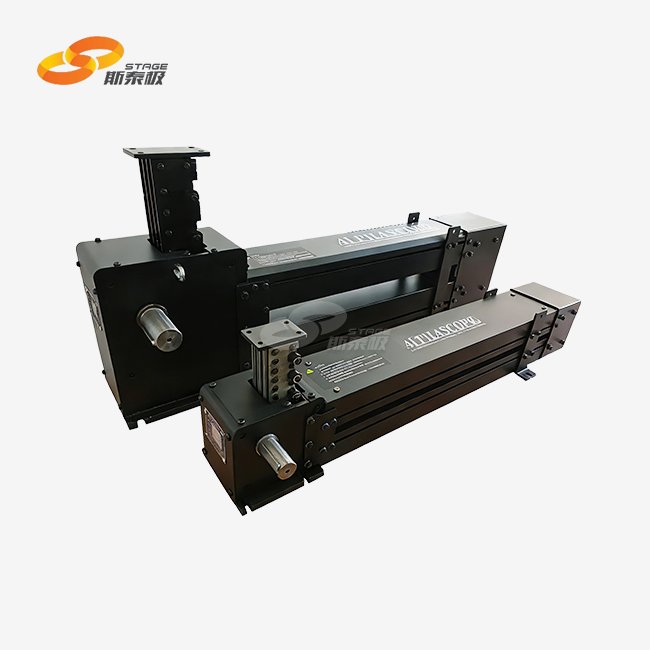 VIEW MOREFlexible Transmission Column Lift
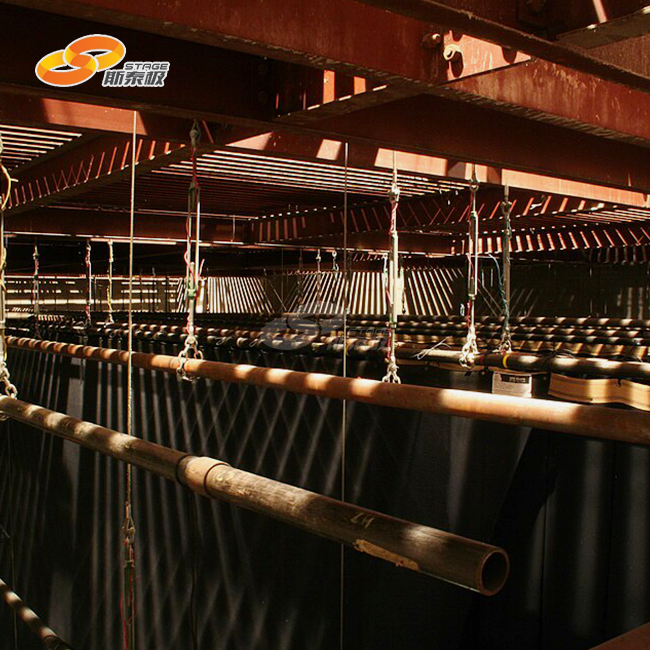 VIEW MOREFly Gallery
 VIEW MOREStage Platform Truck
 VIEW MOREStage Curtain Wings Backdrop
 VIEW MOREStage Motorized Control Console for bar
 VIEW MOREPilewind Stage Winch for Stage